

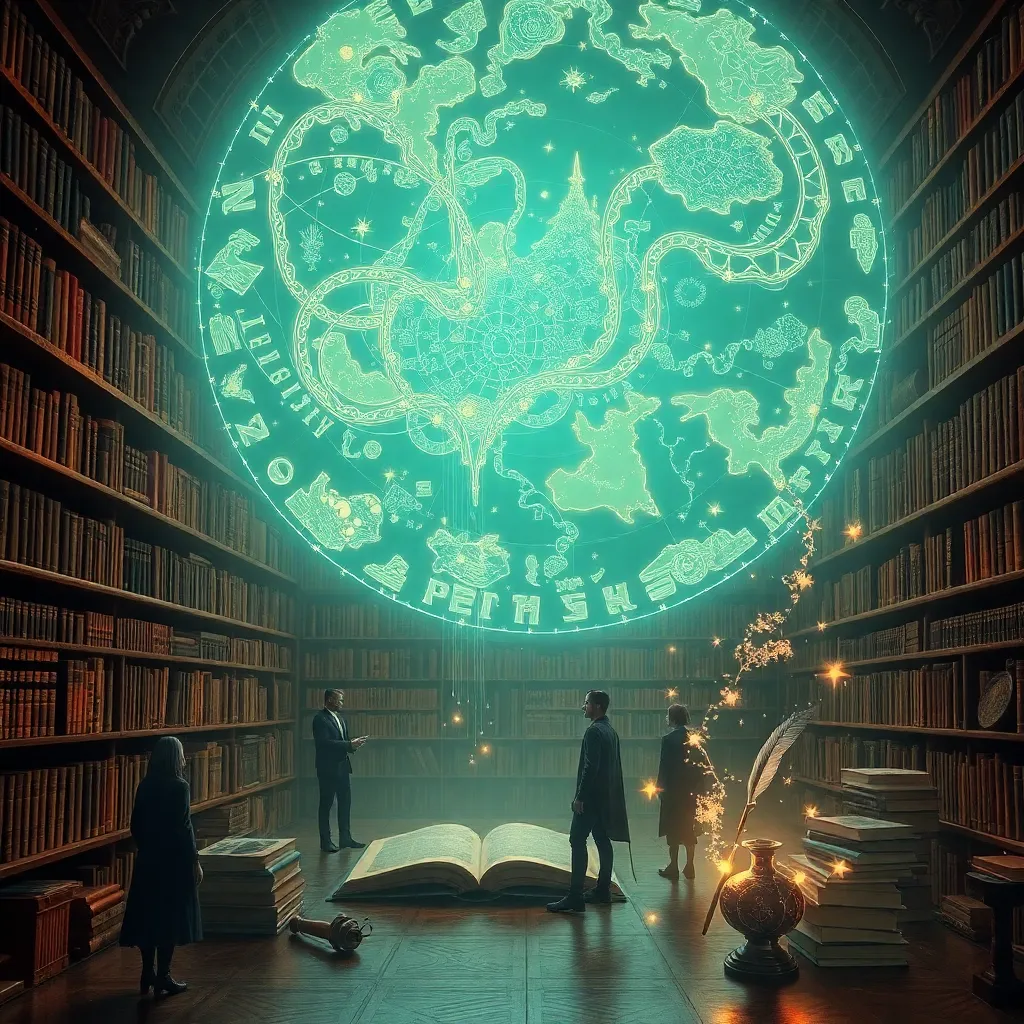
How AI Characters Can Revolutionize Your World-Building Process
Every novelist knows the feeling: staring at a blank page, trying to conjure an entire universe from nothing. You want your fictional world to feel real, lived-in, and bursting with authenticity—but where do you even begin? What if you had a cast of characters ready to help you build that world, offering insights, conflicts, and cultural nuances you might never have considered on your own?
That’s the power of using AI-driven character tools in world-building. Think of them not as replacements for creativity, but as collaborators—digital muses who can help you explore your setting from the inside out.
Why Characters Are the Heart of Your World
Great worlds aren’t built on maps alone. They’re shaped by the people who inhabit them—their beliefs, traditions, conflicts, and dreams. When you develop characters who truly belong to your world, they naturally reveal its texture, history, and soul.
But brainstorming a full cast of compelling, culturally grounded characters is no small feat. This is where AI character generators shine. They allow you to:
- Rapidly prototype diverse personalities with unique backgrounds
- Explore how different social roles (merchant, priest, rebel) would interact with your setting
- Simulate conversations that reveal cultural norms and tensions
- Test how your world’s rules (magic, technology, politics) impact individual lives
Building from the Ground Up
Start small. Imagine you’re creating a desert city ruled by a mystical order. You might generate:
- A water merchant who knows every hidden oasis and secret trade route
- A young mystic struggling with the rigid traditions of her order
- A foreign spy posing as a diplomat, observing the city’s weaknesses
Each character becomes a lens through which you see your world. The water merchant shows you the economy; the mystic reveals the religion; the spy exposes political tensions. Suddenly, your setting isn’t just sand and stone—it’s a living, breathing society.
Discovering Conflict and Culture
World-building isn’t just about designing beautiful landscapes—it’s about creating friction. Cultures clash, ideologies collide, and personal ambitions disrupt the status quo. AI characters can help you uncover these tensions naturally.
Try prompting two generated characters to debate a core aspect of your world. How would a traditionalist and a reformer argue about magic? What would a farmer and a city noble fight over? These conversations often reveal deeper world-building opportunities:
- Unexplored social hierarchies
- Hidden historical grievances
- Cultural taboos or sacred traditions
- Economic inequalities or resource struggles
Avoiding the Generic Trap
One risk of world-building is creating cultures that feel like generic fantasy tropes. AI characters can help you avoid this by introducing specific, quirky details that make societies feel unique.
Instead of “desert nomads,” you might generate:
- A storyteller who collects shadows in glass bottles
- A chef who cooks with rare spices that alter emotions
- A child who believes the stars are the eyes of forgotten gods
These small, vivid details do more than add color—they imply entire belief systems, economies, and histories.
Practical Steps to Get Started
- Define Your Core Concept: Start with one central idea (floating cities, time-manipulating monks, etc.)
- Generate Key Figures: Create 3-5 characters who represent different aspects of your society
- Explore Their Relationships: How do these characters interact? What conflicts arise?
- Layer In Details: Use their perspectives to add depth to your world’s customs, laws, and daily life
- Iterate and Expand: As your world grows, generate new characters to explore its edges and contradictions
The Human Touch
Remember: these tools are here to serve your creativity, not replace it. The most compelling worlds always bear the imprint of their creator’s unique vision. Use generated characters as starting points, then infuse them with your own voice, themes, and emotional truth.
Your best ideas will still come from those moments of inspiration—staring out the window, jotting down dreams, or wondering “what if…” The technology simply gives you more clay to sculpt with.
Your World Awaits
World-building is ultimately an act of empathy: imagining how different people would live, love, and struggle in a reality unlike our own. By collaborating with AI characters, you’re not outsourcing that imagination—you’re expanding it.
So go ahead—generate that cynical spy, that hopeful inventor, that reluctant hero. Let them walk through your world and show you what you’ve been missing. Your novel will be richer for it.