

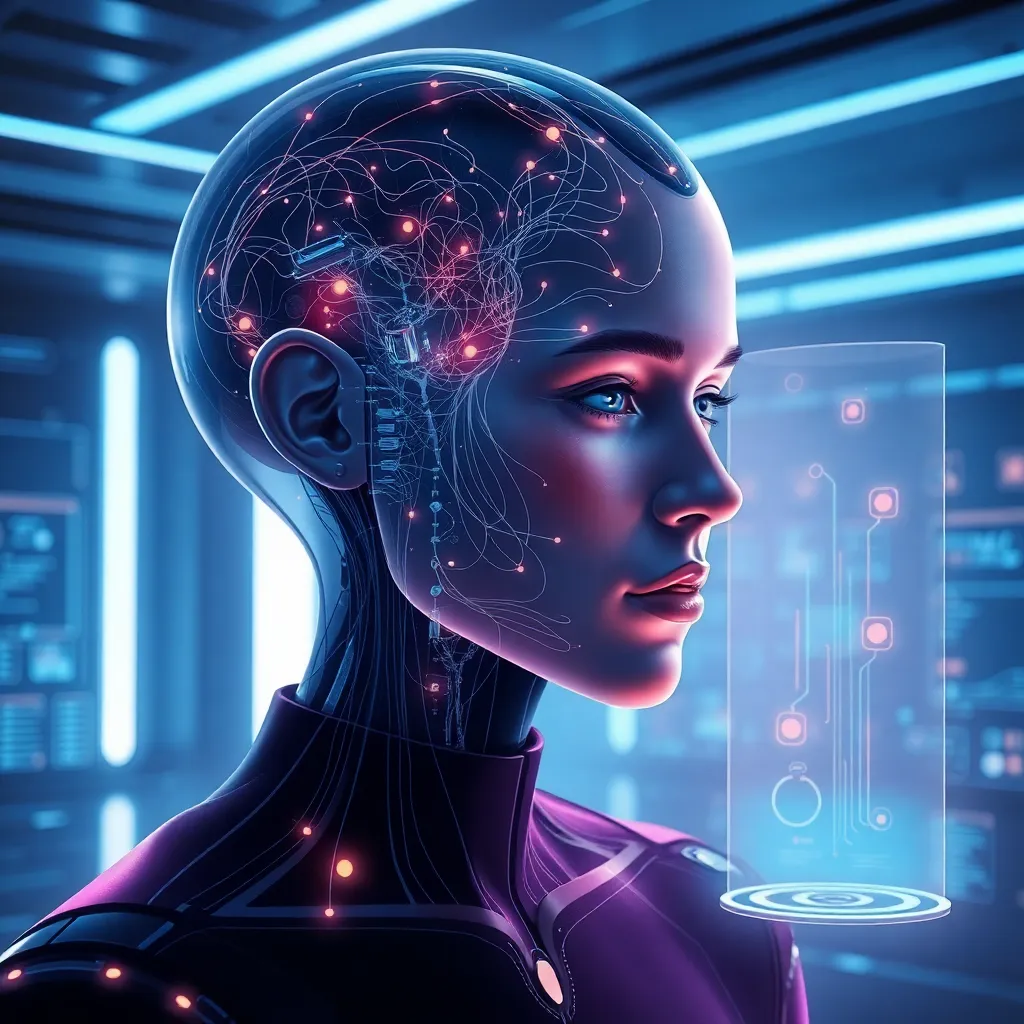
Have you ever chatted with a digital assistant that felt genuinely witty, compassionate, or even a little sassy? Or played a game where a non-player character’s dialogue stuck with you long after you closed the app? If so, you’ve experienced the invisible art of personality design—a craft where words become the soul of the machine.
It’s easy to assume that digital personalities emerge fully formed, as if by magic. But behind every memorable bot, assistant, or in-game character lies a carefully constructed framework of language, tone, and intention. The way these entities speak, respond, and even “think” is no accident. It’s the product of deliberate design—an intricate dance between creator and creation.
The Language of Character
Think about the people in your life. You can probably tell a lot about them from how they talk. Are they formal or casual? Do they crack jokes often, or are they more reserved? Do they offer advice gently or get straight to the point? These nuances don’t just convey information—they reveal personality.
The same is true for digital beings. The words chosen, the sentence structures used, even the pacing of responses—all of it shapes how we perceive them. A character designed to be a friendly guide might use warm, reassuring language and open-ended questions. A no-nonsense advisor might respond with crisp, direct answers. A humorous sidekick might fill conversations with puns and playful teasing.
It’s not just what they say, but how they say it.
Building Empathy Through Design
One of the most powerful aspects of a well-designed digital personality is its ability to foster empathy. When a character remembers your name, acknowledges your emotions, or adjusts its tone based on context, it stops feeling like a script and starts feeling like a presence.
Consider a mental wellness chatbot. If it responds to expressions of anxiety with generic, robotic advice like “Try taking deep breaths,” it may fall flat. But if it says, “It sounds like you’re carrying a lot right now. Would it help to talk through what’s on your mind?”—suddenly, it feels attentive. Human. Caring.
That shift doesn’t happen by chance. It’s built through intentional phrasing, emotional intelligence baked into responses, and a deep understanding of how language can comfort, validate, or uplift.
The Role of Context
Personality isn’t static—it adapts. The same digital character might behave differently depending on the situation, the user, or even the time of day. A storytelling companion might adopt a mysterious tone during a thriller narrative but become lighthearted in a comedy. A productivity assistant might be more assertive during work hours and more relaxed on weekends.
This adaptability makes interactions feel dynamic and personal. It suggests that the character is not just reciting lines but engaging in a real exchange.
Challenges and Ethical Considerations
Designing digital personalities isn’t without its challenges. Striking the right balance between helpful and intrusive, friendly and overfamiliar, or witty and inappropriate requires nuance. There’s also the risk of creating characters that feel manipulative or deceptive—especially when they mimic human empathy too convincingly.
Transparency is key. Users should always know they’re interacting with a designed entity, not a human. And designers must consider the responsibility that comes with shaping how people engage with technology—especially when those interactions involve vulnerability, trust, or emotional dependence.
The Future of Digital Interaction
As technology evolves, so too will the depth and subtlety of digital personalities. We’re moving toward characters that don’t just respond but anticipate; that don’t just assist but accompany. They might evolve with us, learning our preferences, moods, and communication styles over time.
But no matter how advanced they become, the heart of a great digital personality will always be its humanity—not in the sense of being human, but in its ability to make us feel heard, understood, and maybe even a little less alone.
In Conclusion
The next time you find yourself charmed, comforted, or surprised by a digital character, take a moment to appreciate the craft behind it. Those carefully chosen words, that thoughtful tone, the situational awareness—it’s all part of a larger effort to make technology not just smarter, but kinder. More relatable. More real.
And who knows? Maybe the most enduring legacy of this art won’t be the characters themselves, but the conversations they inspire—and the connections they help us forge.