

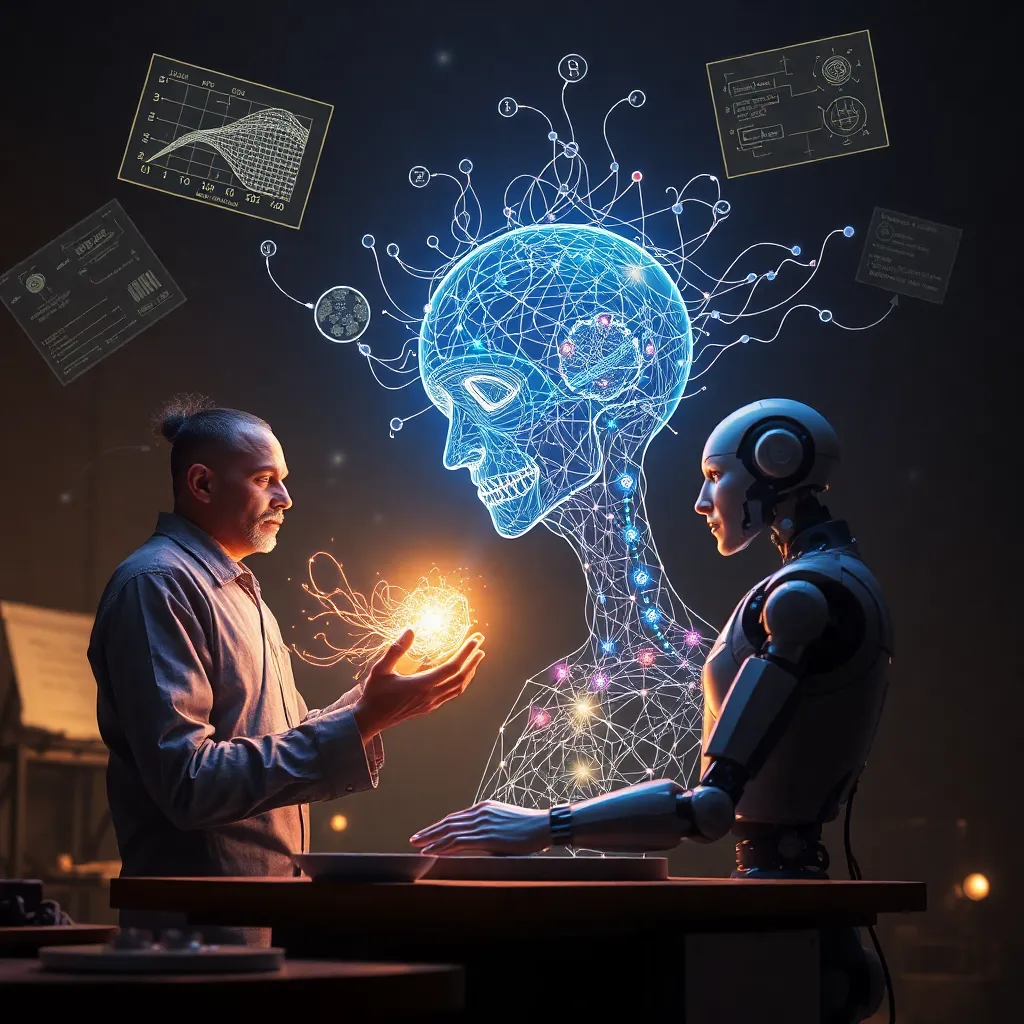
Behind the Scenes: Building AI Personalities
Ever chatted with a virtual assistant and felt like it had a real personality? Maybe it cracked a joke, showed empathy, or even got a little sassy. That’s no accident. Crafting a compelling AI personality is a delicate dance between code and creativity—a process that blends technical precision with the soul of storytelling.
In this deep dive, we’ll explore how these digital personas are built from the ground up. From the initial spark of an idea to the final tweaks that make them feel alive, you’ll see what goes on behind the curtain.
The Blueprint: Where Character Begins
Before a single line of code is written, there’s an idea. What should this AI feel like? Friendly? Professional? Quirky? This is where character design starts, much like it would for a novel or film.
Designers and writers collaborate to outline core traits: Is the AI optimistic or cautious? Formal or casual? These decisions shape everything from word choice to response timing. For example, a customer service bot might be programmed to be patient and reassuring, while a companion AI could be more playful and curious.
It’s not just about being “nice” or “funny.” Consistency is key. An AI that switches randomly between sarcasm and sincerity feels confusing—not human. The goal is a coherent identity that users can understand and connect with.
The Technical Engine: How Personality Gets Coded
Once the personality is defined, it’s time to build the machinery. This isn’t about hard-coding every possible response (that would be impossible). Instead, engineers use a mix of natural language processing (NLP), machine learning, and rule-based systems.
Natural Language Processing (NLP)
NLP helps the AI understand context, sentiment, and nuance. It’s what allows a system to detect whether a user is frustrated, excited, or confused—and respond appropriately. For instance, if someone writes in all caps, the AI might recognize frustration and shift to a calmer, more supportive tone.
Response Generation
Here’s where personality truly shines. Based on the traits defined earlier, the AI selects responses that align with its character. A humorous AI might use puns or lighthearted jokes, while a serious one would stick to facts and clarity.
Techniques like templating (pre-written phrases with variables) and generative models (which create new responses on the fly) work together to keep interactions fresh yet consistent.
Emotional Modeling
Some advanced systems incorporate emotional models. These aren’t real emotions, of course, but simulated states that influence behavior. For example, if a user shares good news, the AI might “express” happiness through enthusiastic language and celebratory emojis.
The Creative Touch: Writing the Soul
Code can handle the “how,” but it takes writers and designers to handle the “who.” This is where creativity meets technology.
Dialogue Design
Writers craft thousands of potential dialogues, testing different scenarios to ensure the AI stays in character. They ask questions like:
- How would this AI react to criticism?
- What makes it laugh?
- Does it have any catchphrases or quirks?
This work is surprisingly similar to writing for TV or games—every line must serve the character.
Voice and Tone
Even small wording choices matter. “I can help with that” feels different from “Sure thing!” or “Let’s get this sorted.” The former is professional; the latter is friendly and collaborative.
Writers often create style guides to keep the AI’s voice consistent across all interactions. These guides detail everything from pronoun usage to humor level.
Testing and Refinement: Making It Feel Real
Once the personality is built, it’s tested rigorously. Beta users interact with the AI, and their feedback helps identify where the character falls flat or feels inconsistent.
Does the AI ever respond in a way that feels “off”? Are there moments where it misunderstands tone or context? These tweaks are crucial. Sometimes, a single misplaced joke can break the illusion—so every interaction is analyzed and refined.
Ethical Considerations: Responsibility in Character Design
Creating an AI personality isn’t just a technical challenge—it’s an ethical one. Designers must avoid reinforcing stereotypes, biases, or harmful behaviors. An AI that’s overly submissive, aggressive, or gendered in a clichéd way can do real harm.
Transparency is also key. Users should know they’re interacting with AI, not a human. This honesty preserves trust and sets clear expectations.
The Future: Evolving Personalities
What’s next? As technology improves, we’ll see AI personalities that learn and grow over time. Instead of static characters, they might develop based on user interactions, becoming more personalized and nuanced.
Imagine an AI that remembers your preferences, adapts to your mood, and even develops a unique “relationship” with you over months or years. That’s the horizon—and it’s closer than it seems.
Conclusion: More Than Code
Building an AI personality is a fusion of art and science. It requires technical skill to build the systems and creative vision to give them soul. The best personalities feel less like machines and more like partners—helpful, understanding, and yes, even charming.
Next time you ask a digital assistant for the weather or share a joke with a chatbot, remember the careful craftsmanship behind those responses. There’s a whole world of design, writing, and engineering working to make that interaction feel human.
And maybe, in striving to create machines that understand us, we’re also learning a little more about what makes us human in the first place.