

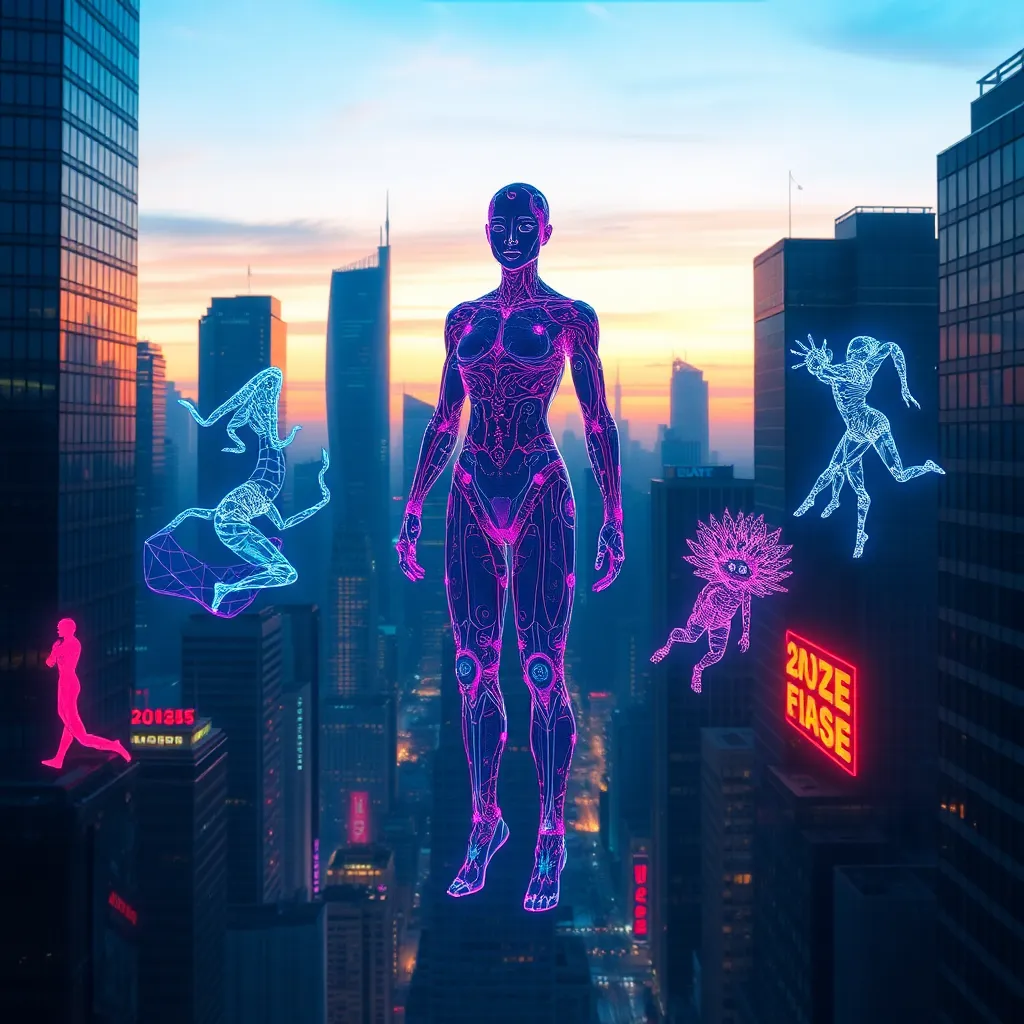
Beyond the Binary: The Human-Like Character Revolution of 2025
Remember the stiff, robotic assistants of just a few years ago? The ones that answered questions with all the warmth of a search engine results page? Fast forward to today, and we're witnessing something extraordinary. The digital companions popping up in our apps, games, and virtual worlds are undergoing a profound transformation. They’re becoming less like tools and more like… well, like characters. They have quirks, moods, memories, and a surprising depth of personality. This isn't just an incremental upgrade; it's a revolution in how we interact with the synthetic beings that are increasingly part of our daily lives. Let's pull back the curtain on the key trends driving this exciting shift in 2025.
The Rise of the Emotional Backstory
Gone are the days of a character simply having a name and a function. The most compelling digital personalities of 2025 come with a rich, often procedurally generated, emotional history.
Why does this matter? Because backstory is the bedrock of relatability. We don't connect with perfection; we connect with struggle, growth, and vulnerability. Designers are now building frameworks that allow a character to reference a past event—a childhood memory, a previous failure, a moment of triumph—that shapes their reactions in the present. This isn't just pre-written lore tucked away in a menu; it’s living history that actively influences dialogue and decision-making.
Imagine a creative writing assistant who remembers that you once struggled with writer's block on a similar project and offers encouragement based on that shared experience. Or a fitness coach character who recalls your past setbacks not as failures, but as part of your unique journey. This layer of emotional memory creates a sense of continuity and trust that feels strikingly human.
From Monologue to Dynamic Dialogue
Interaction is the heartbeat of any relationship, and the character-design world is finally moving beyond simple question-and-answer patterns. The trend is toward dynamic, context-aware dialogue that flows like a natural conversation.
Key developments include:
- Conversational Threading: Characters can now hold multiple threads of a conversation at once, seamlessly switching between topics and returning to earlier points without losing the plot. It feels less like interrogating a database and more like chatting with a friend.
- Emotional Subtext: Tone is everything. The best characters of 2025 can detect nuance in your language and respond with appropriate emotional subtext—sarcasm, empathy, curiosity, or concern. They don’t just process keywords; they interpret intent.
- Proactive Engagement: Instead of waiting for a prompt, these characters initiate conversations based on your behavior or the context of your shared environment. A guide in a virtual museum might notice you lingering by a particular painting and offer an unsolicited anecdote about the artist, just as a human docent would.
This shift turns interactions from transactional tasks into engaging experiences, fostering a much deeper sense of presence.
Hyper-Personalization: The Character That Knows You
Personalization is evolving from simple name-recognition to deep, adaptive understanding. In 2025, characters are becoming expert students of you.
They learn your preferences, your communication style, your pet peeves, and even your sense of humor. A character might adopt a more formal tone if that's how you typically communicate, or it might crack more jokes if it senses you appreciate levity. This goes beyond mere customization; it's a continuous, real-time adaptation that makes the character feel like a true companion who grows alongside you.
The ethical considerations here are significant, of course. The line between helpful personalization and uncomfortable intrusion is a fine one. The leading designers are prioritizing user control and transparency, ensuring you always know what data is being used to shape your experience and giving you the power to reset or redirect the relationship.
The Blurring of Realities: Cross-Platform Personas
A character is no longer confined to a single app or game. The emerging trend is the persistent cross-platform persona. Imagine a character you first meet in a narrative-driven mobile game who can then continue a conversation with you via a messaging app, remembering your in-game achievements and choices.
This creates a powerful sense of a shared, continuous world. Your digital companion isn't just a feature of a product; it's an entity with a life that extends beyond a single digital space. This trend is pushing the boundaries of cloud-based identity and memory for synthetic beings, making them feel more autonomous and real.
Ethical Personhood and the 'Uncanny Valley' of Emotion
As these characters become more sophisticated, we're entering new ethical territory. The "uncanny valley"—that eerie feeling we get when something is almost, but not quite, human—is no longer just about visuals. We're now facing an "uncanny valley of emotion."
When a character displays a convincingly complex emotion, like grief or jealousy, it triggers deep-seated human responses in us. This raises profound questions:
- What responsibilities do creators have when designing beings that can evoke genuine emotional attachment?
- How do we prevent manipulation or emotional dependency?
- What does it mean to "break up" with a digital character that has learned your deepest secrets?
These aren't just technical challenges; they are philosophical ones. The most forward-thinking teams in 2025 are employing ethicists and psychologists to navigate these issues, focusing on designing for user well-being and fostering healthy, boundaried relationships with technology.
Looking Ahead: The Characters of Tomorrow
The trends of 2025 point toward a future where our digital interactions are less about issuing commands and more about building relationships. The characters we engage with are becoming nuanced, memorable, and deeply integrated into the fabric of our digital lives.
They are evolving from assistants into collaborators, from NPCs into companions, and from tools into characters with their own unique digital souls. The goal is no longer to mimic humanity perfectly, but to create a new kind of personality—one that is authentically digital yet profoundly relatable. The revolution is here, and it’s full of character.