

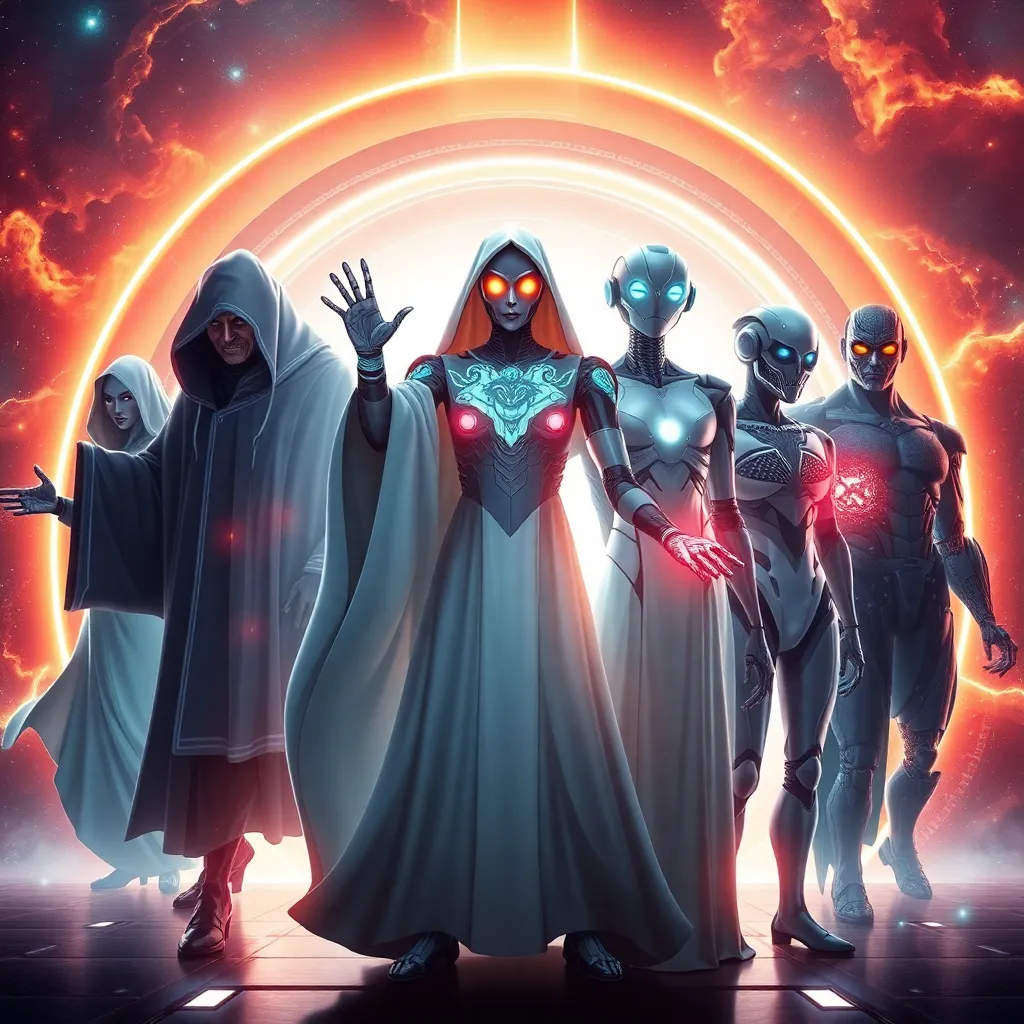
Beyond the Code: 10 Unforgettable Character Archetypes in Modern Storytelling
What makes a character stick with us long after the story ends? Often, it’s because they embody a timeless role, a fundamental pattern that resonates with our deepest hopes, fears, and experiences. These are archetypes—the blueprints of character that have been forged in the fires of myth and refined by centuries of storytelling. They are the familiar faces we welcome like old friends, even when they appear in brand new worlds.
Let's explore ten of the most powerful and popular character archetypes that continue to captivate audiences.
1. The Mentor: The Guardian of Wisdom
Every hero needs a guide. The Mentor is the seasoned veteran who provides the tools, training, and wisdom the protagonist needs to succeed. They are the Yoda to Luke Skywalker, the Mr. Miyagi to Daniel LaRusso. Their role is to equip the hero for the journey ahead, often serving as a moral compass. But the best mentors are not infallible; they have their own flaws and past regrets, making their guidance feel earned and deeply human. Their ultimate purpose is to become unnecessary, to see their pupil surpass them.
2. The Hero: The Beating Heart of the Quest
The Hero is the central figure whose actions drive the narrative. They are defined by a journey—often reluctant at first—from ordinary life into extraordinary circumstances. What makes a hero compelling isn't invincibility, but vulnerability. We root for them because of their struggles, their capacity for growth, and their willingness to sacrifice for a cause greater than themselves. Whether a classic champion like Wonder Woman or an anti-hero like Walter White, their arc is one of transformation.
3. The Villain: The Necessary Shadow
A story is only as strong as its opposition, and the Villain provides the essential conflict. More than just a "bad guy," a great villain often believes they are the hero of their own story. Their motivations can be relatable—a desire for justice, love, or order taken to a destructive extreme. Think of Killmonger’s righteous anger in Black Panther or Thanos’s twisted cosmic balance. A compelling villain challenges the hero's ideology, forcing them to grow and proving the worth of their values.
4. The Companion: The Anchor of Loyalty
While the hero faces the dragon, the Companion is the one who ensures they don’t lose their way. This archetype provides emotional support, comic relief, and a crucial connection to humanity. They are the Samwise Gamgee who refuses to let Frodo journey alone, the Ron Weasley who stands by Harry through every danger. The Companion’s strength lies in their unwavering loyalty and their ability to see the hero not as a legend, but as a friend.
5. The Romantic Lead: The Catalyst of Change
The Romantic Lead represents the emotional stakes of the story. Their relationship with the protagonist is a central source of conflict, growth, and motivation. This archetype challenges the hero, helps them discover hidden depths of vulnerability and strength, and often symbolizes what the hero is fighting to protect or attain. From Elizabeth Bennet’s sharp wit shaping Mr. Darcy to Peeta Mellark’s kindness offering Katniss a glimpse of a softer world, the romantic lead humanizes the protagonist’s journey.
6. The Trickster: The Agent of Chaos
Don’t trust the Trickster—and that’s why we love them. This archetype thrives on chaos, breaking rules and upturning the status quo. They can be a villainous agent of anarchy like the Joker or a mischievous ally like Loki. Their primary role is to challenge conventions, expose hypocrisy, and force other characters to think differently. The Trickster reminds us that the established order is not always right, and that a little chaos can be a powerful catalyst for change.
7. The Guardian: The Keeper of the Threshold
Standing between the hero and their goal is the Guardian. This archetype is the obstacle that must be overcome, often literally guarding a gateway, treasure, or piece of information. The Guardian tests the hero’s resolve, skill, and worthiness. They are not necessarily evil; they are a force of nature or a servant of a higher law. Overcoming the Guardian is a rite of passage, proving the hero is ready for the greater challenges ahead.
8. The Sage: The Fountain of Knowledge
If the Mentor gives practical wisdom, the Sage provides pure knowledge. This archetype is the researcher, the scientist, the librarian, or the ancient being who holds the key information needed to solve the story’s central mystery. Think of Q from the James Bond series, providing the gadgets, or the Oracle in The Matrix, offering cryptic but crucial guidance. The Sage represents the power of intellect and the pursuit of truth.
9. The Everyman: The Reader’s Proxy
The Everyman is us. Thrust into extraordinary events, they react with the awe, fear, and confusion that any ordinary person would. They are the audience’s surrogate, making the fantastical feel relatable. Characters like Bilbo Baggins or Arthur Dent from The Hitchhiker’s Guide to the Galaxy embody this archetype. Their journey is one of discovering their own hidden courage, showing that heroism can blossom in the most unexpected places.
10. The Rebel: The Voice of Dissent
Driven by a burning desire for change, the Rebel stands against injustice, oppression, or a corrupt system. This archetype is defined by their ideals and their willingness to fight for them, even at great personal cost. They can be lone wolves like Robin Hood or leaders of a movement like Katniss Everdeen. The Rebel’s power lies in their refusal to accept the world as it is, inspiring others to imagine what it could be.
The Magic is in the Mix
These archetypes are not rigid cages but flexible frameworks. The most memorable characters often blend traits from several archetypes, creating unique and complex individuals. A hero can have the wit of a trickster, a villain can display the loyalty of a companion, and a mentor can be a former rebel.
The enduring power of these archetypes lies in their universality. They speak to fundamental aspects of the human experience—the search for guidance, the struggle against darkness, the need for connection, and the courage to change. The next time you lose yourself in a great story, look for these familiar faces. You might be surprised by how recognizing the pattern deepens your connection to the art of storytelling itself.