

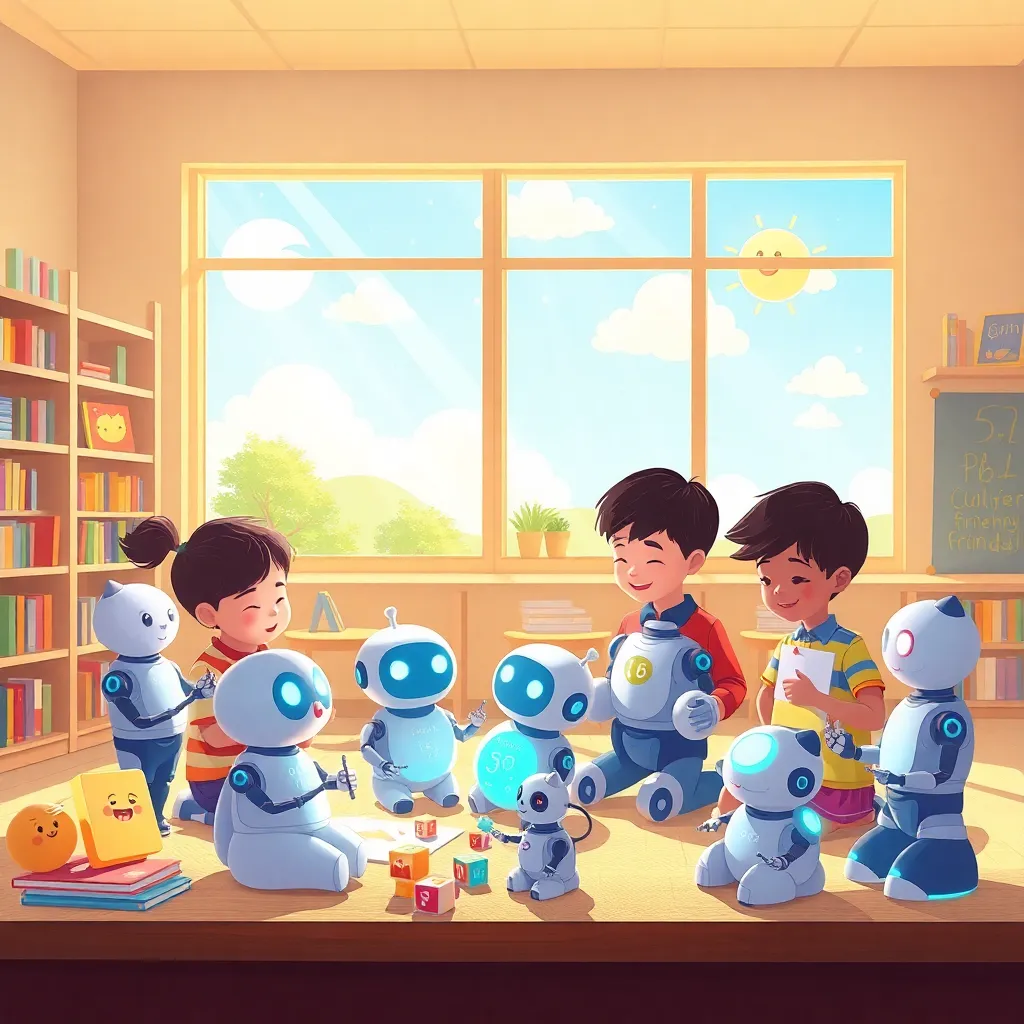
Creating Digital Companions for Children: A Guide to Safe and Engaging Design
In today’s digital landscape, children are growing up surrounded by screens, apps, and interactive media. As parents, educators, and creators, we have a unique opportunity—and responsibility—to shape these experiences in ways that are not only entertaining but also enriching, safe, and developmentally appropriate. One of the most powerful tools at our disposal is the digital character: a companion, guide, or friend that can spark curiosity, teach valuable skills, and provide a sense of connection.
But designing these characters isn’t just about making them cute or funny. It’s about understanding child development, psychology, ethics, and technology. It’s about creating something that feels real enough to matter, but safe enough to trust.
Let’s explore how to build digital companions that children will love, parents will approve, and educators will appreciate.
Why Digital Companions Matter
Children form attachments to characters from an early age—whether it’s a stuffed animal, a cartoon hero, or a friendly face in an app. These relationships aren’t just imaginary; they’re deeply meaningful. A well-designed digital companion can:
- Encourage exploration and curiosity
- Support emotional development and empathy
- Reinpositive social and cognitive skills
- Provide a non-judgmental space for practice and play
Think back to your own childhood. Maybe you had a favorite character from a book or show that felt like a friend. Digital companions can offer that same magic, but with interactivity and adaptability that static media can’t match.
Core Principles of Design
Safety First
When designing for children, safety isn’t an optional feature—it’s the foundation. This means:
- Privacy protection: Never collect unnecessary data. Ensure compliance with regulations like COPPA (Children’s Online Privacy Protection Act).
- Content moderation: Prevent exposure to inappropriate material, whether through user interactions or external links.
- Emotional safety: Avoid designs that could cause anxiety, fear, or confusion. Characters should be reassuring, not intimidating.
Educational Value
A great digital companion is more than a distraction—it’s a teacher. Whether it’s helping with early literacy, introducing STEM concepts, or modeling social skills, educational content should be woven naturally into interactions.
For example, a character might:
- Ask open-ended questions to encourage critical thinking
- Celebrate effort, not just success
- Introduce new vocabulary in context
- Guide children through puzzles or challenges
Engagement and Fun
If it isn’t fun, children won’t use it. Engagement comes from:
- Personality: Give your character quirks, humor, and relatability.
- Interactivity: Allow children to make choices and see consequences.
- Rewards: Use positive reinforcement, like encouraging messages or unlockable content.
- Adaptability: Let the character learn and grow with the child, offering increasingly complex interactions over time.
Designing the Character
Appearance and Voice
A character’s design should be appealing but not overwhelming. Consider:
- Visual simplicity: Avoid clutter. Young children respond best to clear, bold shapes and bright colors.
- Friendly features: Rounded shapes, large eyes, and warm expressions feel safer and more approachable.
- Voice and tone: Whether text or speech, keep language clear, positive, and age-appropriate.
Personality and Behavior
A character’s personality should reflect its purpose. A math tutor might be patient and precise, while a creative companion could be whimsical and imaginative.
Key traits to consider:
- Empathy
- Curiosity
- Patience
- Playfulness
Avoid traits like sarcasm, rudeness, or unpredictability, which can confuse or upset young children.
Technical and Ethical Considerations
Age Appropriateness
Design must align with developmental stages:
- Ages 2–4: Simple cause-and-effect, bright colors, repetitive interactions.
- Ages 5–7: More complex tasks, storytelling, early problem-solving.
- Ages 8+: richer narratives, skill-building, collaborative challenges.
Inclusivity and Representation
Children should see themselves reflected in their digital world. Ensure diverse representation in:
- Ethnicity and culture
- Abilities and backgrounds
- Family structures
This isn’t just about fairness—it’s about helping all children feel seen and valued.
Avoiding Over-Reliance
While digital companions can be wonderful tools, they shouldn’t replace human interaction. Design characters that:
- Encourage offline activity and creativity
- Complement, rather than compete with, family and school relationships
- Promote balance and mindfulness
Bringing It All Together
Creating a digital companion for children is both an art and a science. It requires empathy, creativity, and a deep respect for the trust placed in us as designers.
Start by asking:
- What need does this character fulfill?
- How does it make the child feel?
- What will they learn?
- Is it safe, kind, and constructive?
When done right, these characters become more than pixels on a screen—they become part of a child’s world, inspiring laughter, curiosity, and growth.
And isn’t that what we all want for the next generation?