

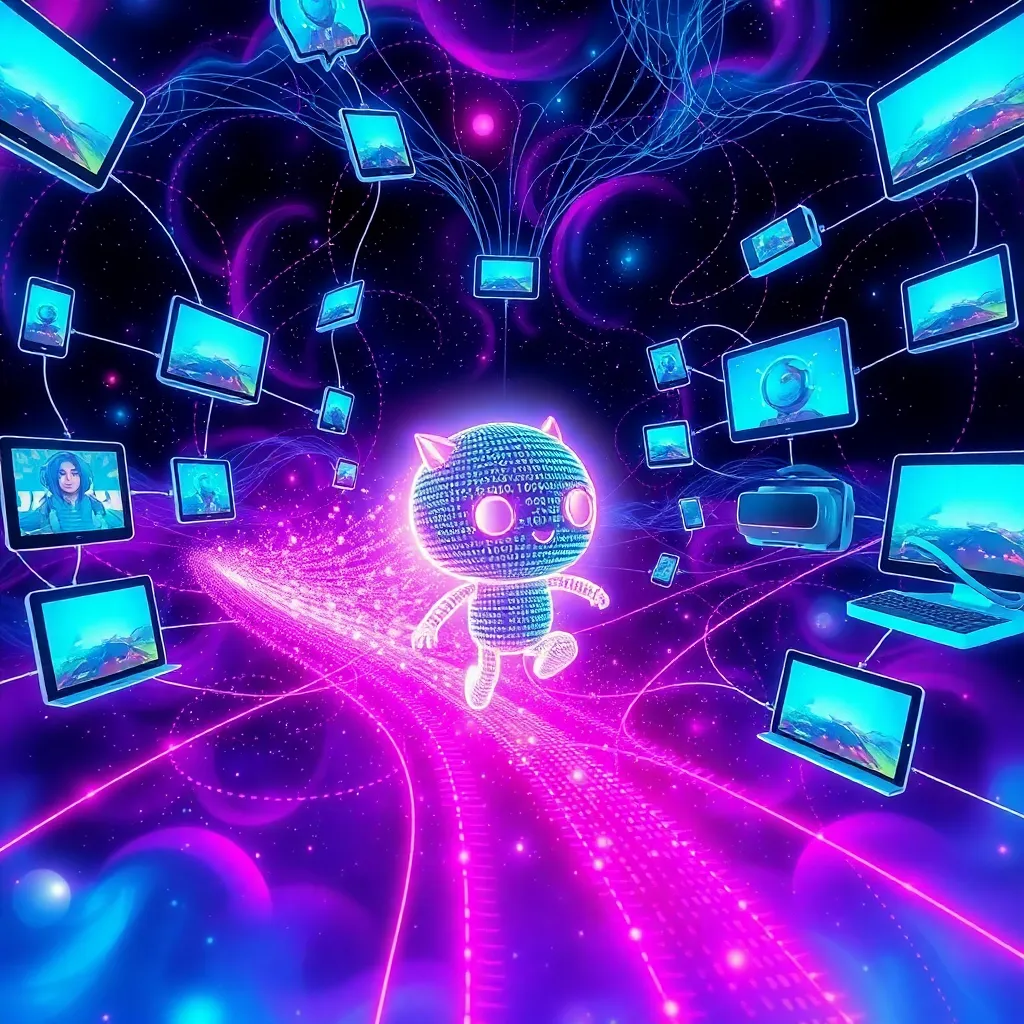
The Seamless Journey: How Digital Characters Are Crossing Platforms to Create Cohesive Worlds
Remember when your favorite video game character existed only in that one game? When Mario stayed in the Mushroom Kingdom, and Lara Croft never left her tombs? Those days are disappearing faster than a power-up in a speedrun. Today, digital characters are stepping out of their silos, leaping from games to apps, social platforms, and even virtual reality—creating rich, continuous experiences that blur the lines between our digital interactions.
It’s more than a technical feat; it’s a storytelling revolution. Characters are becoming persistent companions, evolving with us as we move between devices and contexts. They remember our choices, adapt to our behaviors, and make our digital lives feel less like a series of isolated events and more like a cohesive narrative.
Why Cross-Platform Characters Matter
At its heart, this shift is about connection. Humans are wired for relationships, even with fictional beings. When a character from your favorite game shows up in your fitness app to cheer you on, or your VR avatar greets you in a social space with a nod to your last gaming achievement, it creates a thread of continuity. That thread makes technology feel personal, responsive, and alive.
Think of it like running into a friend in an unexpected place—it’s delightful, reassuring, and strengthens your bond. Cross-platform characters do the same. They turn cold, transactional apps into familiar spaces and make immersive worlds feel like places you truly inhabit.
The Technical Magic Behind the Scenes
Making this work isn’t simple. It requires sophisticated synchronization across systems, cloud-based save states, and adaptive design that accounts for everything from a phone screen to a VR headset. But the real magic lies in the data: these characters learn from your interactions. They know if you prefer stealth over combat, if you’re competitive or collaborative, even when you’re most likely to engage.
This isn’t about surveillance; it’s about crafting a tailored experience. The character that guides you through a meditation app might use a calmer tone if it knows you just finished an intense gaming session. The virtual assistant in your smart home might crack a joke rooted in an inside moment from a story-driven game you played last week.
Case in Point: Characters That Live Everywhere
Consider a hypothetical—but increasingly plausible—example: Lyra, a character from a popular adventure game. In her original game, she’s a brave explorer solving puzzles in a mystic world. But Lyra doesn’t stop there. She appears in a companion app as a motivational coach, using her journey as metaphor for personal goals. In VR, she becomes a guide in educational experiences, helping users explore historical sites or scientific concepts. On social media, she shares behind-the-scenes lore, reacts to fan art, and even “remembers” conversations from in-game interactions.
Lyra isn’t just a character; she’s a persona that grows with you, wherever you are. And she’s not alone. Early iterations of this are already here—from Pokémon showing up in mobile AR games to narrative-driven characters making guest appearances in cross-promotional apps.
Challenges and Ethical Considerations
Of course, weaving characters across platforms comes with hurdles. Consistency is key—Lyra can’t act out of character without breaking the illusion. Designers must ensure her personality, voice, and motives remain intact whether she’s on a console, a watch, or in VR.
There are also questions about privacy and consent. When a character “knows” you across platforms, where is that data stored? Who owns your history with that character? Transparency is critical. Users should always understand what’s being tracked and how it’s used to shape their experience.
And let’s not forget accessibility. Not everyone owns multiple devices or has the bandwidth for seamless sync. Designing inclusive cross-platform experiences means ensuring that those with limited tech can still enjoy a fulfilling interaction, even if it’s not everywhere at once.
The Future Is Character-Driven
As technology continues to converge, characters will only become more integrated into our daily digital routines. Imagine a future where your workout buddy, your cooking assistant, and your gaming hero are all the same entity—a trusted digital companion that knows your preferences, celebrates your wins, and helps you navigate challenges.
This isn’t about replacing human connection; it’s about enhancing our digital landscapes with warmth, personality, and continuity. In a world saturated with apps and interfaces, characters give us something to hold onto—a familiar face in the crowd of code.
So next time you switch from your phone to your console to your headset, pay attention. The lines are blurring, and the characters you love are ready to meet you there, wherever “there” might be.