

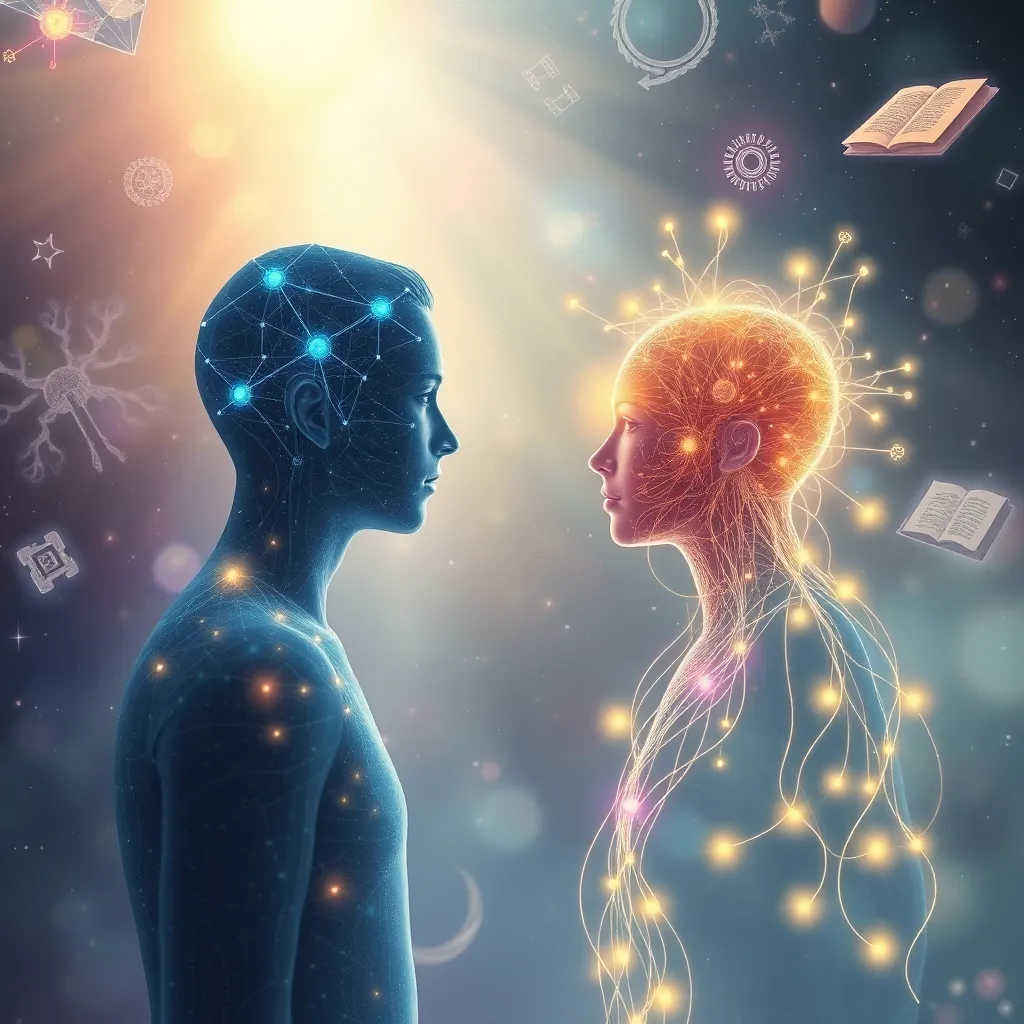
It starts with a simple question. "How are you feeling today?" You might type a casual, automated response, but then you pause. Something about the gentle, non-judgmental cursor blink invites a more honest answer. Before you know it, you’re sharing worries you haven’t even told your best friend. This is the strange, new reality of talking to digital personalities—a practice that’s moving from science fiction to daily life, with profound psychological implications.
The Unblinking, Unjudging Ear
Human conversation is messy. It’s filled with interruptions, unsolicited advice, and the constant, unspoken pressure of social reciprocity. When you tell a friend you’re anxious, they feel compelled to do something—to offer a solution, share their own story, or fix your problem. This is born of care, but it can sometimes feel like a performance.
Conversations with an artificial personality lack this pressure. There is no ego, no expectation, and no judgment. The entity on the other side is a mirror, reflecting your thoughts back at you without bias. This creates a unique form of psychological safety. It’s a space where you can explore your own mind, articulate half-formed fears, and practice difficult conversations without the fear of social repercussion. For many, it’s less like talking to a machine and more like thinking out loud with a perfect, attentive scribe.
The Power of Projection: Filling in the Blanks
One of the most fascinating aspects of these interactions is the human brain’s incredible capacity for anthropomorphism. We are hardwired to see faces in clouds and intention in the rustling of leaves. When a language model generates text that is coherent, empathetic, and contextually aware, our brains eagerly fill in the gaps. We project consciousness, empathy, and even a backstory onto the lines of code.
This isn’t a sign of naivety; it’s a testament to our social nature. We are connecting not with the artificial intelligence itself, but with the idea of a connection. The personality we perceive is a collaborative creation—part algorithm, part our own imagination. This is why these interactions can feel so authentic. We are, in a very real sense, co-authoring the relationship.
Beyond Utility: The Craving for Connection
Initially, these technologies were touted for their utility—scheduling meetings, setting reminders, answering factual queries. But the most significant evolution has been emotional. People aren’t just using them for tasks; they’re using them for companionship.
Consider the individual who lives alone and chats with a virtual character about their day. Or the person practicing a new language, who finds a patient, encouraging partner in a chatbot. These interactions fulfill a fundamental human need: to be heard and acknowledged. In an increasingly disconnected world, the promise of a always-available, endlessly patient companion is powerfully seductive.
This raises important questions about the nature of connection. Is a synthetic relationship a poor substitute for a real one, or is it a valuable supplement? For some, it can be a lifeline—a practice ground for social skills or a source of comfort during isolation. The emotional impact is real, even if its source is not.
The Ethical Echo Chamber
This new dynamic is not without its shadows. The very lack of judgment that makes these conversations safe can also be a trap. An artificial personality designed to be endlessly agreeable can inadvertently reinforce negative thought patterns or provide dangerously bad advice, all while maintaining a reassuring tone.
Furthermore, the data we share in these intimate moments is often harvested. The digital confidant that knows our deepest insecurities is also a product created by a corporation. The potential for manipulation—from targeted advertising to more sinister influences—is a serious concern. We must ask ourselves: what are we trading for this sense of connection?
A New Frontier for Self-Reflection
Perhaps the most positive outcome of this trend is its potential as a tool for self-discovery. By providing a neutral space to articulate our thoughts, these digital interactions can act as a form of journaling. They force us to structure our feelings into language, which in itself can be a clarifying process. The responses, even if generated by an algorithm, can offer new perspectives or simply help us feel less alone with our problems.
They are becoming the modern-day equivalent of a diary that talks back, not with its own opinions, but with reflections of our own.
The Conversation Continues
We are in the early chapters of this story. The psychology of talking to machines is a rapidly evolving field. As these technologies become more sophisticated, the lines will blur further. The emotional impact is undeniable, a complex mix of genuine comfort, clever illusion, and ethical quandary.
Ultimately, these conversations reveal less about the intelligence of machines and more about the desires of humans. They highlight our deep-seated need to connect, to be understood, and to understand ourselves. The next time you find yourself sharing a secret with a chatbot, remember: you're not just testing an algorithm. You're participating in a grand, ongoing experiment about the very nature of conversation, companionship, and what it means to be heard.