

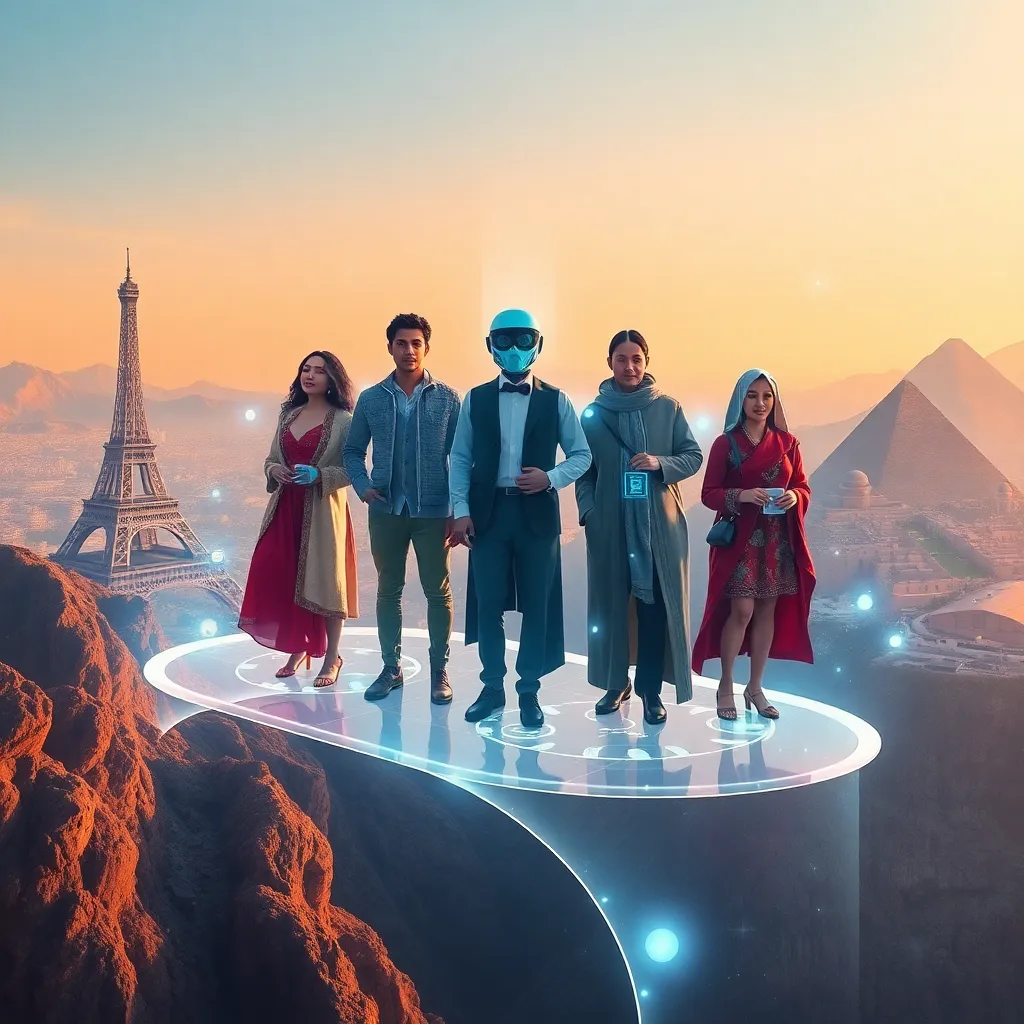
Your Next Travel Companion Isn't Human: Exploring the World Through Digital Guides
I still remember my first solo trip to Rome. Guidebook in hand, map perpetually upside down, I stumbled through the Eternal City more confused than enlightened. I missed hidden gems, misunderstood customs, and spent half my time deciphering transit routes rather than soaking in the culture. We've all been there—that gap between seeing a place and truly experiencing it.
But what if you could wander through Marrakech's medina with a storyteller who knows every alley’s history? Or taste your way through Tokyo's street food scene with a guide who never gets lost, never gets tired, and remembers every vendor’s name? The future of travel companionship is here—and it isn’t human. It’s digital, adaptable, and quietly revolutionary.
Beyond the Guidebook: A Companion That Knows You
Traditional travel guides offer a one-size-fits-all approach. They can’t adapt to your love for hidden bookshops, your allergy to shellfish, or your newfound interest in Baroque architecture after that random documentary you watched last Tuesday.
Digital guides are different. They learn. They remember that you prefer quiet cafes over crowded museums, that you’re trying to learn basic Japanese phrases, or that you want to avoid tourist traps. They become not just a source of information, but a travel partner shaped by your curiosities.
Imagine:
- Waking up in Kyoto and your guide suggests a serene morning stroll through Philosopher’s Path because it knows you appreciate quiet contemplation.
- Having a real-time conversation practice in Italian as you order coffee, with gentle corrections and cultural context offered through your earpiece.
- Getting a notification about a small ceramics workshop down a side street in Lisbon because you mentioned an interest in artisan crafts last week.
This isn’t science fiction. It’s the logical next step in how we explore.
The Cultural Bridge: More Than Just Translation
The biggest barrier to deep travel isn’t distance—it’s culture. Language gaps, unspoken social rules, and historical context often remain locked away from visitors. Digital companions act as cultural interpreters in ways human guides sometimes can’t.
A human guide might explain that you should remove your shoes before entering a home in Japan. A digital companion can explain why—the historical significance, the spiritual meaning of separating the pure interior from the outside world—and might even share a short folk tale about the tradition while you’re riding the train to your next destination.
They can provide real-time context:
- Whispering the story behind a seemingly ordinary stone wall in Edinburgh that was part of a famous historical event.
- Explaining the significance of specific ingredients in a Oaxacan mole sauce as you taste it.
- Warning you about subtle etiquette mistakes before you make them, preserving both your dignity and local goodwill.
It’s like having a historian, linguist, and cultural expert in your pocket—one that never gets impatient with your questions.
Simulated Journeys: Travel Before You Travel
Perhaps the most exciting aspect is the ability to simulate journeys before you ever book a ticket. Digital guides can create immersive, personalized previews of trips based on your interests.
Want to see if a week in rural Provence is right for you? Your guide can simulate a day—from morning market visits to evening wine tastings—complete with sensory details, potential conversations with locals (based on real cultural norms), and even projected costs.
This isn’t just about previewing sights; it’s about previewing experiences. You can:
- Practice navigating the Paris Metro system virtually before you’re there with a suitcase and rising panic.
- Sample a typical daily schedule in Buenos Aires to see if the late-night dinner culture suits your rhythm.
- Test your tolerance for Bangkok’s heat and crowds through realistic simulations.
These trial runs build confidence, reduce anxiety, and help travelers make better decisions about where to invest their time and money.
The Human Element: Complementing, Not Replacing
Critics worry that digital guides might eliminate human connection—the serendipitous conversations with locals, the advice from hotel clerks, the shared laughter with fellow travelers. But the best digital companions are designed to enhance these moments, not replace them.
They might suggest questions to ask a local artisan you meet, provide conversation starters in the native language, or recommend a small family-owned restaurant where human interaction is part of the experience. They handle the logistics and information overload, freeing you to be more present for the human moments that matter.
The Ethical Compass: Traveling Responsibly
With great power comes great responsibility. Digital guides also have the potential to promote sustainable and respectful tourism. They can:
- Suggest off-peak visits to fragile ecosystems or culturally sensitive sites.
- Recommend locally-owned businesses that benefit the community.
- Educate travelers on environmental practices specific to the region.
- Discourage behaviors that contribute to overtourism.
In this way, they become not just personal guides, but guardians of the places we visit.
The Future Is Already Here
This technology isn’t a distant fantasy. Early versions are already integrating into travel apps, language learning platforms, and virtual reality experiences. What feels novel today will soon become standard—the way GPS replaced folded maps, and digital bookings replaced travel agents.
The magic lies in the partnership: your curiosity and sense of adventure, paired with a guide that has encyclopedic knowledge and contextual intelligence. It democratizes deep travel, making rich cultural experiences accessible to those who might lack the confidence, language skills, or research time to plan such journeys alone.
So the next time you dream of wandering through Istanbul’s Grand Bazaar or hiking Patagonia’s trails, know that your perfect companion might not be a person—but a thoughtfully designed digital presence ready to help you uncover the world’s layers, one personalized adventure at a time.
The real journey has always been about connection—to places, histories, and people. If a digital guide can deepen that connection, perhaps it’s not a replacement for human experience, but its ultimate enhancement.