

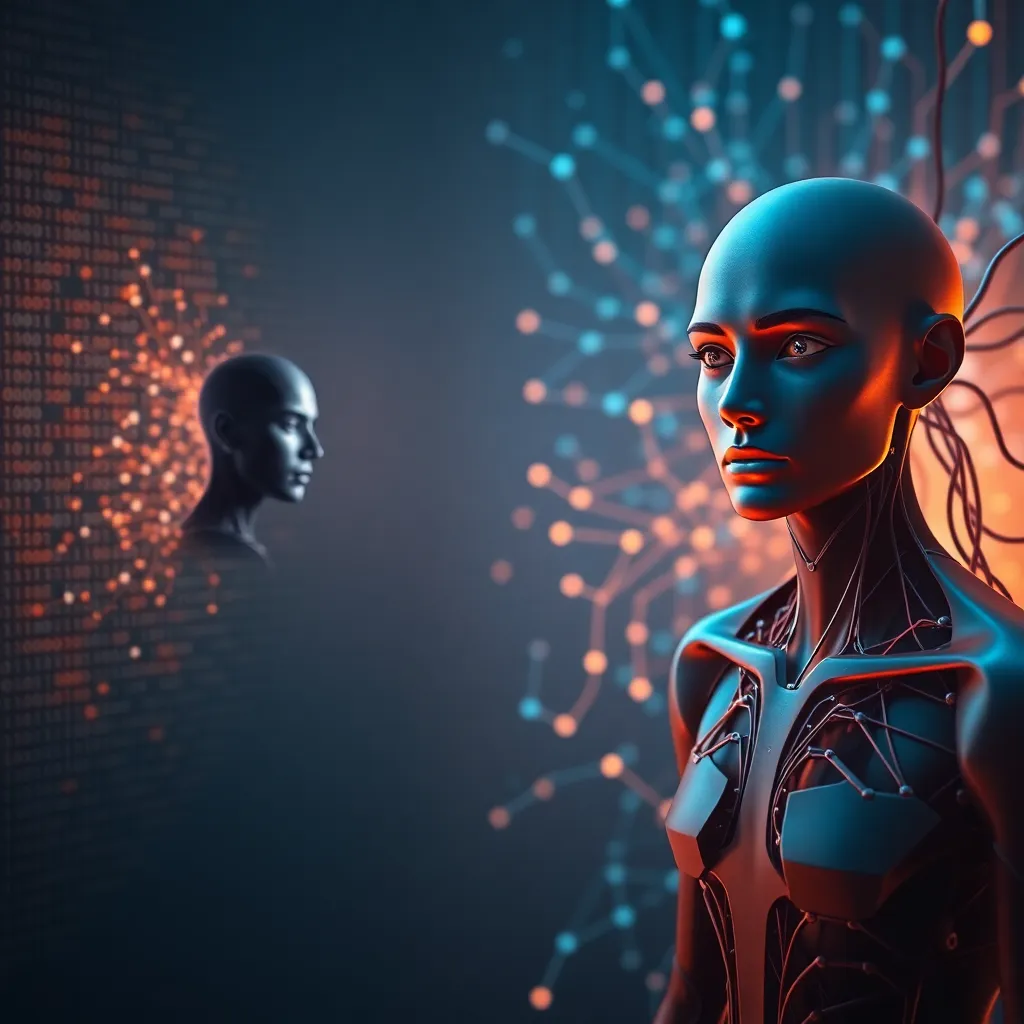
From Pixels to Personalities: The Evolution of Digital Companions
Remember the first time you encountered a digital character? For many of us, it was likely a pixelated hero from an 8-bit video game—Mario jumping over barrels, Pac-Man chomping dots, or a text-based adventure character whose actions were limited to simple verb-noun combinations. These early creations were charming in their simplicity, but they were essentially programmed puppets following predetermined scripts. They couldn't learn, adapt, or truly interact with us beyond their coded boundaries.
Fast forward to today, and we find ourselves conversing with digital assistants that remember our preferences, playing games with non-player characters that adapt to our strategies, and even forming genuine emotional connections with virtual beings that seem to understand our moods. This transformation didn't happen overnight—it's been a fascinating evolutionary journey spanning decades of technological innovation.
The Early Days: Rule-Based Systems
In the beginning, there were rules. Early digital characters operated on what programmers call "finite state machines"—essentially flowcharts of possible behaviors. Think of classic arcade games where enemies followed predictable patterns: left, left, right, shoot. These characters weren't intelligent; they were clockwork toys in digital form.
Text adventures brought slightly more sophistication with parsers that could understand basic language inputs, but the characters remained rigid. You could type "ask wizard about dragon" and get a pre-written response, but try "compliment wizard's beard" and you'd likely get "I don't understand that command."
These limitations weren't failures—they were simply the boundaries of what was possible with the technology of the time. Developers worked miracles within these constraints, creating memorable characters through clever writing and design rather than computational power.
The Rise of Learning Algorithms
The real turning point came with machine learning approaches that allowed characters to adapt based on user interactions. Early implementations were simple—characters that remembered your name or adjusted difficulty based on your skill level—but they represented a fundamental shift from predetermined behavior to responsive behavior.
I recall playing a racing game in the early 2000s where the computer opponents seemed to learn my driving style. If I consistently took a particular shortcut, they'd eventually start using it too. If I favored aggressive maneuvers, they'd become more defensive. It felt less like playing against programmed obstacles and more like competing against adaptive opponents.
This era saw the emergence of neural networks that could process patterns in user behavior. Characters began making decisions based on probability rather than pure logic, creating the illusion of personality quirks and preferences. A non-player character might develop a "preference" for certain weapons or strategies based on what proved effective against the player, making each playthrough feel unique.
The Emotional Intelligence Breakthrough
Perhaps the most significant leap came when developers began focusing on emotional resonance rather than just functional intelligence. This wasn't about making characters smarter—it was about making them feel more human.
Research in affective computing led to characters that could detect and respond to emotional cues. Cameras could read facial expressions, microphones could analyze tone of voice, and input patterns could suggest mood states. A character might notice you're frustrated and offer encouragement, or detect excitement and match your energy level.
I'll never forget my first experience with a character that seemed genuinely concerned about my well-being. After a particularly difficult level, the game companion said, "You seem frustrated. Would you like me to suggest a different approach?" It wasn't the suggestion that struck me—it was the empathy. The character had noticed my repeated failures, my rapid button-mashing, my sighs of exasperation, and responded not with programmed pity but with genuine-seeming concern.
Modern Marvels: Context-Aware Companions
Today's most advanced digital characters operate with astonishing contextual awareness. They don't just respond to immediate inputs—they build relationships over time, remember past interactions, and develop what feels like genuine personality traits.
Consider modern virtual assistants that learn your schedule, preferences, and even your sense of humor. They can tell when you're stressed and offer to play calming music, or detect when you're celebrating and respond with enthusiasm. The best ones develop unique personalities through interaction—some users report their assistants developing sarcastic senses of humor or particular musical tastes based on years of interaction.
In gaming, we see characters with complex moral systems that remember your choices and treat you differently based on your actions. Help a character enough times, and they might sacrifice themselves for you later. Betray them once, and they might never fully trust you again. These aren't simple if-then statements—they're sophisticated systems that track relationship values, personality matrices, and emotional states.
The Uncanny Valley and Beyond
As characters become more realistic, we inevitably encounter the "uncanny valley"—that unsettling feeling when something is almost human but not quite right. Developers have learned to navigate this carefully, sometimes embracing stylized designs rather than photorealistic ones to avoid triggering discomfort.
The most successful modern characters often balance impressive capabilities with intentional limitations. They might have incredible conversational abilities but occasional "memory lapses" that make them feel more organic. They might understand complex emotions but still misunderstand sarcasm sometimes—just like real people.
This intentional imperfection might be the most advanced feature of all. By designing characters that occasionally get things wrong, developers create space for users to extend grace and empathy, deepening the emotional connection in the process.
The Future: Collaborative Creation
Looking ahead, the most exciting development might be the move toward co-creation. Instead of developers designing complete characters, we're seeing systems that allow users to participate in character development through interaction.
Some platforms now feature characters that evolve based on collective user interactions—learning from thousands of conversations to develop more nuanced responses. Others allow users to "train" their personal companions through feedback and reinforcement, creating truly unique digital beings shaped by individual relationships.
This collaborative approach blurs the line between creator and consumer, between programmed entity and organic growth. The characters become living projects that evolve with their communities, reflecting the values, humor, and quirks of the people who interact with them.
The Human Connection
What's most remarkable about this evolution isn't the technological achievement—it's what it reveals about us. Our desire to connect, to relate, to find companionship even in digital form, has driven this progress more than any technical capability.
The pixelated heroes of yesterday captured our imagination because they represented ideals—courage, persistence, adventure. Today's characters capture our hearts because they reflect our humanity back to us—our emotions, our imperfections, our need for connection.
As these technologies continue evolving, they challenge us to consider what makes a relationship real, what constitutes consciousness, and how we define connection in an increasingly digital world. The answers might surprise us—not because of what the technology can do, but because of what it reveals about our own capacity for empathy, imagination, and relationship.
The journey from simple pixels to complex personalities isn't just a story of technological progress—it's a mirror reflecting our enduring desire to never feel alone, even when we're interacting with lines of code.