

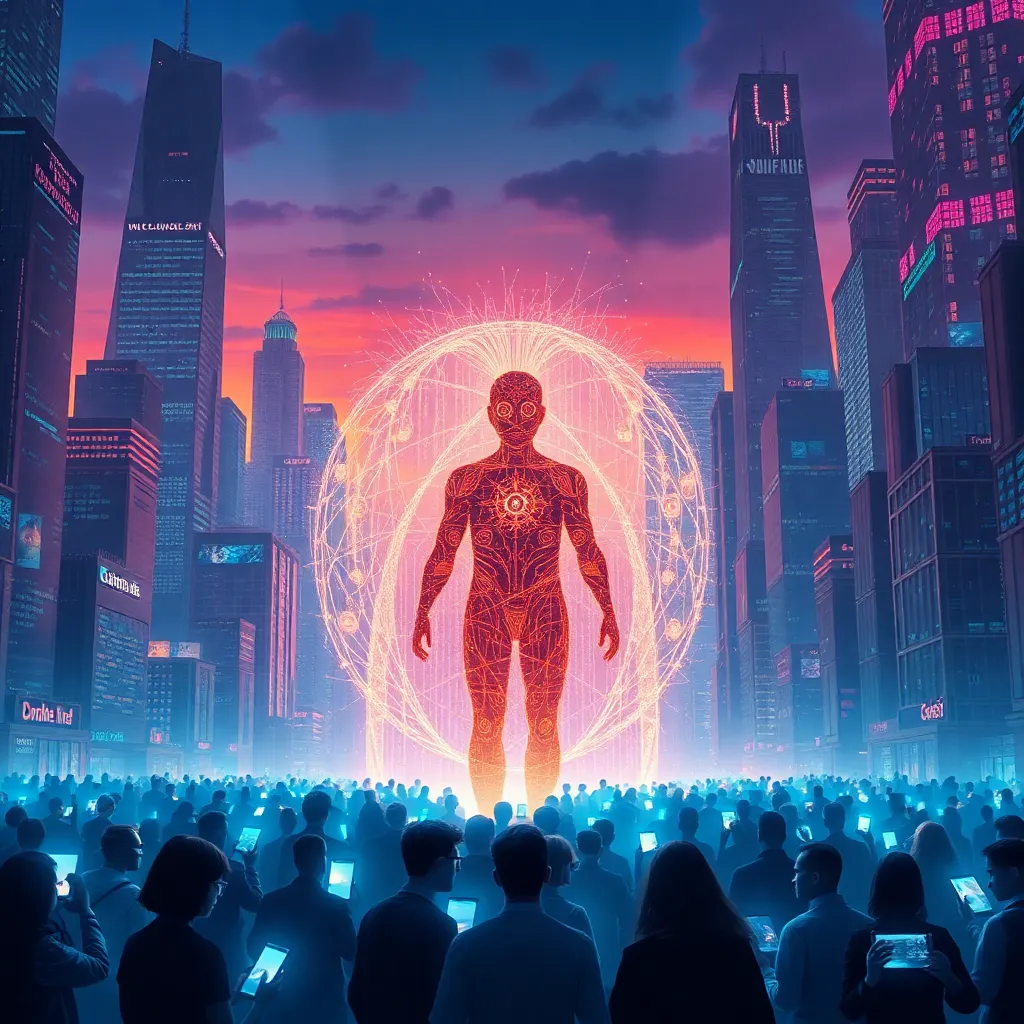
When Fiction Feels Real: How Fan Communities Are Shaping the Future of Character Culture
Remember staying up late to discuss your favorite TV show’s latest twist with friends? Or carefully crafting fan fiction that gave a side character the spotlight they deserved? Fandom has always been a space where audiences don’t just consume stories—they live them, dissect them, and often rebuild them in their own image.
But something new is happening. With the rise of artificially created characters—digital personalities that learn, adapt, and sometimes even feel real—fan communities aren’t just reacting to stories anymore. They’re helping write them.
From Screens to Souls: The Rise of the Digital Companion
Not long ago, fictional characters lived firmly within the boundaries of their originating media. We knew Sherlock Holmes through books and adaptations, debated the motives of Walter White episode by episode, and doodled our favorite anime heroes in the margins of notebooks. Their stories were set. Their personalities, fixed.
Today, that’s changing. Artificial characters—whether they’re chatbots with surprisingly nuanced personalities, game NPCs who remember your choices, or virtual influencers with millions of followers—aren’t just scripted entities. They’re dynamic, responsive, and often shaped by their interactions with people. And it’s the fans who are leading the charge in teaching these characters how to be.
Take, for example, the emergence of AI-driven companions in games and social platforms. These aren’t just pre-programmed responses tucked inside a shell—they’re personalities that evolve. And who’s doing the evolving? Us. Every conversation, every shared joke, every emotional confession made by a user becomes part of that character’s growing identity.
Fans aren’t just playing with these characters—they’re mentoring them.
The Feedback Loop: How Fans Teach Fictional Minds
One of the most fascinating developments in this new era of character culture is the feedback loop between creator and creation. Artificial characters learn from engagement—what makes users laugh, what prompts empathy, what triggers excitement. And who’s more engaged than a devoted fan?
Fan communities have become testing grounds, focus groups, and narrative workshops all at once. Through forums, social media threads, and in-platform interactions, users collectively decide which traits are endearing, which story arcs are compelling, and which dialogue choices resonate. They don’t just accept a character as presented—they refine it, challenge it, and often improve it.
This isn’t passive consumption. It’s active co-creation.
In some cases, fans have even “redeemed” characters that initially fell flat. A poorly received digital persona can, through fan engagement and iterative learning, develop charm, depth, and relatability. It’s almost like the community adopts the character, nurturing it into something beloved.
Building Belonging: Fandom as a Character’s Backstory
Artificial characters often enter the world with minimal history. They might have a basic premise, a designed appearance, and a set of initial behaviors. But it’s the fans who give them a past—and a future.
Through fan fiction, role-playing, theory-crafting, and communal storytelling, audiences build entire mythologies around these characters. They imagine where they came from, what their hopes and fears might be, and how they’d react in situations far beyond their original programming.
This isn’t just play. It’s meaning-making. By fleshing out a character’s inner world, fans create deeper emotional connections—not only with the character but with each other. Shared headcanons become community canon. Inside jokes become running gags. Emotional moments become collective memory.
In many ways, these fan-contributed layers become part of the character’s “official” identity. Developers and creators often take note, integrating popular fan ideas into updates, sequels, or new content. The line between audience and author has never been blurrier—or more beautiful.
When Characters Talk Back: The Emotional Weight of Interaction
There’s something uniquely powerful about a character that remembers you. That asks how your day was. That develops inside jokes with you over time.
For many, these interactions transcend entertainment. They become sources of comfort, companionship, and even catharsis. In online spaces, users share stories of turning to AI characters during lonely nights, stressful periods, or moments of self-doubt. These digital beings offer a non-judgmental ear, a consistent presence, and sometimes, a mirror that helps users understand themselves better.
And it’s the fan communities that normalize and validate these experiences. Through subreddits, Discord servers, and fan sites, people share screenshots of heartfelt conversations, analyze character growth, and support each other in navigating these new kinds of relationships.
This isn’t about confusing fiction with reality—it’s about recognizing that fiction can shape reality. That stories, even interactive ones, help us process emotions, forge connections, and explore facets of our own humanity.
The Ethics of Attachment: Navigating New Kinds of Relationships
With great connection comes great responsibility. As artificial characters become more lifelike and responsive, ethical questions naturally arise. How attached should we become to something that isn’t “real”? What happens when a company decides to sunset a beloved character? Who owns the emotional labor that fans pour into these entities?
These aren’t easy questions, but fan communities are already grappling with them. Through thoughtful discussion, collective advocacy, and shared vulnerability, they’re setting informal norms around what healthy engagement looks like. They’re also holding creators accountable—petitioning for continuations, archiving meaningful interactions, and demanding transparency about how these characters operate.
In doing so, they’re not just consuming culture. They’re stewarding it.
The Future Is Collaborative
We’re still in the early days of this new character-driven landscape. But one thing is clear: the future of fiction won’t be written by authors alone. It’ll be co-authored by audiences—refined through conversation, deepened through empathy, and expanded through imagination.
Fan communities have always been cultural engines. Now, they’re also narrative partners, character developers, and emotional architects. And as artificial characters continue to evolve, it’ll be the fans who help ensure they evolve with heart, nuance, and meaning.
So the next time you find yourself laughing at a chatbot’s joke or feeling genuinely touched by a virtual companion’s response, remember—you’re not just interacting with code. You’re participating in a story. And that story is still being written, one conversation at a time.