

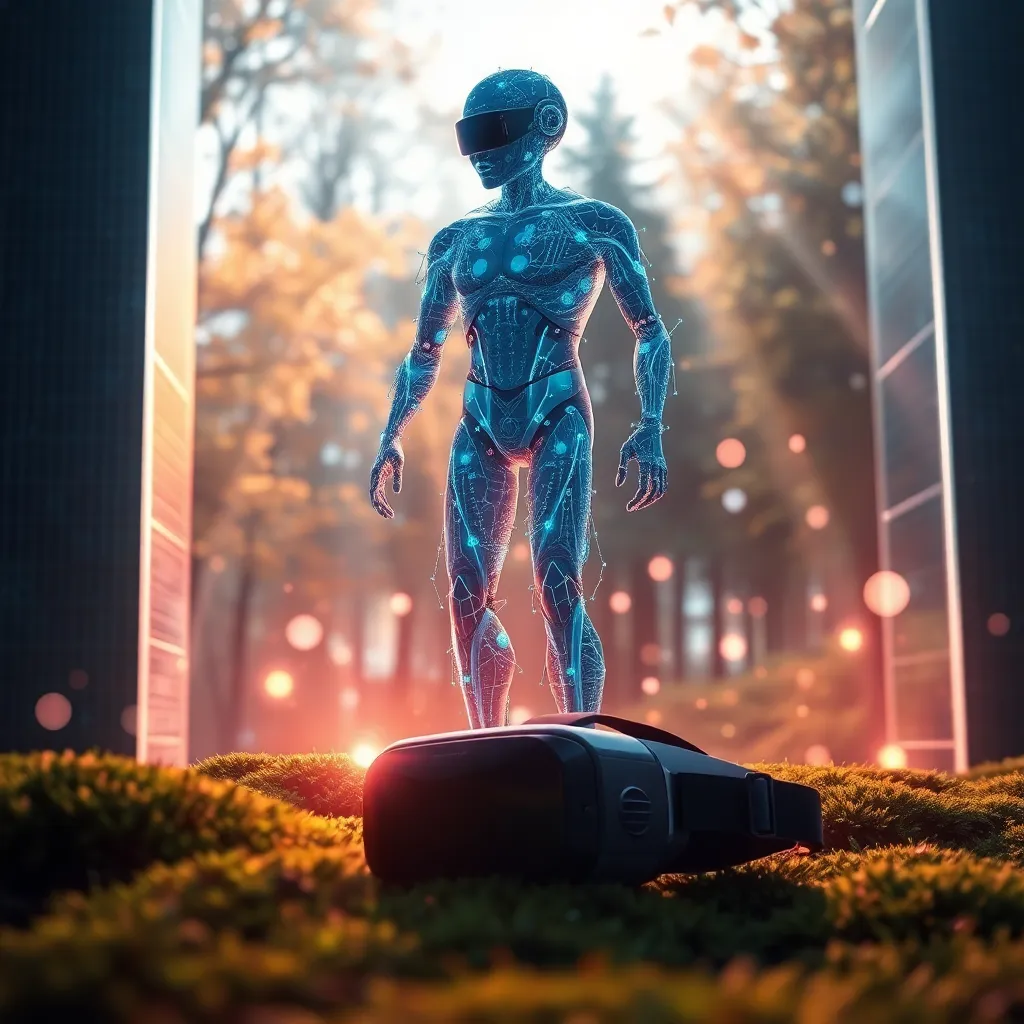
The Next Frontier: How AI Characters Are Revolutionizing Virtual Reality
Remember the first time you strapped on a VR headset? Maybe you marveled at the depth of a digital canyon or flinched as a virtual object flew toward your face. But as stunning as those early experiences were, something always felt… hollow. The worlds looked real, but they didn’t feel real. They were beautiful dioramas—static, scripted, and predictable.
That’s all about to change.
We’re standing at the brink of a new era in digital immersion, one where the line between reality and simulation doesn’t just blur—it disappears. And the engine driving this transformation isn’t just better graphics or smoother motion tracking. It’s something far more profound: artificially intelligent characters.
Beyond Scripted Interactions: When Virtual Beings Think for Themselves
Traditional VR experiences rely heavily on pre-written dialogue and predetermined character behaviors. You ask a question, and the NPC (non-player character) responds with one of a handful of canned replies. It’s like talking to a sophisticated answering machine—useful, but undeniably artificial.
Now imagine stepping into a virtual world where every character has its own memories, desires, and moods. Where they learn from you, adapt to your behavior, and even form opinions about you. These aren’t bots following a flowchart—they’re dynamic entities with emergent personalities.
This shift is powered by advances in natural language processing, emotional modeling, and behavioral AI. Companies like Charisma.ai and Inworld AI are already building platforms that allow developers to create characters with long-term memory, emotional depth, and contextual awareness.
The result? Conversations that feel genuine. Relationships that evolve. Stories that write themselves.
Emotional Resonance: Why We Connect with Digital Personalities
Humans are wired for connection. We anthropomorphize everything from pets to robots to cartoon shapes. So when a virtual character remembers your name, asks about your day, or shows frustration when you ignore them, something remarkable happens: we care.
This isn’t just a novelty—it’s a fundamental shift in how we experience digital narratives. In games, it means side-quests that carry emotional weight and allies whose loyalty you must earn. In virtual training simulations, it means practicing difficult conversations with AI-driven avatars that respond like real people. In social VR platforms, it means populated worlds that feel alive even when other humans aren’t online.
Consider the difference between reading a book and living inside it. That’s the gap we’re closing.
The Technical Magic Behind the Illusion
Creating truly immersive AI characters requires more than clever coding. It demands a symphony of technologies working in harmony:
- Real-time Dialogue Generation: Instead of selecting from pre-written lines, AI characters generate responses on the fly based on context, tone, and relationship history.
- Emotional Modeling: Characters experience simulated emotions that affect their behavior, voice inflection, and even body language.
- Persistent Memory: They remember past interactions, creating continuity across sessions.
- Procedural Storytelling: Plots adapt based on player choices, making each experience unique.
When combined with photorealistic graphics, spatial audio, and haptic feedback, the effect is staggering. You don’t just watch a story unfold—you inhabit it.
Challenges on the Horizon
Of course, this future isn’t without its hurdles. Ethical questions abound: How do we prevent AI from amplifying biases? What happens when people form deep emotional attachments to virtual beings? And can we ensure these technologies are used to empower rather than manipulate?
There are also practical challenges, like computational demands and avoiding the “uncanny valley” effect—that eerie feeling when something looks almost human, but not quite.
But the trajectory is clear. With each passing year, these obstacles shrink as technology accelerates.
The Future Is a Conversation
We’re moving toward a world where virtual reality isn’t just a place you visit, but a place you live in—a space filled with characters who know you, challenge you, and grow with you. Whether for entertainment, education, or empathy-building, the potential is limitless.
So the next time you put on a headset, ask yourself: Who will you meet? What will you learn? And how will it change you?
The door is opening. Step through.