

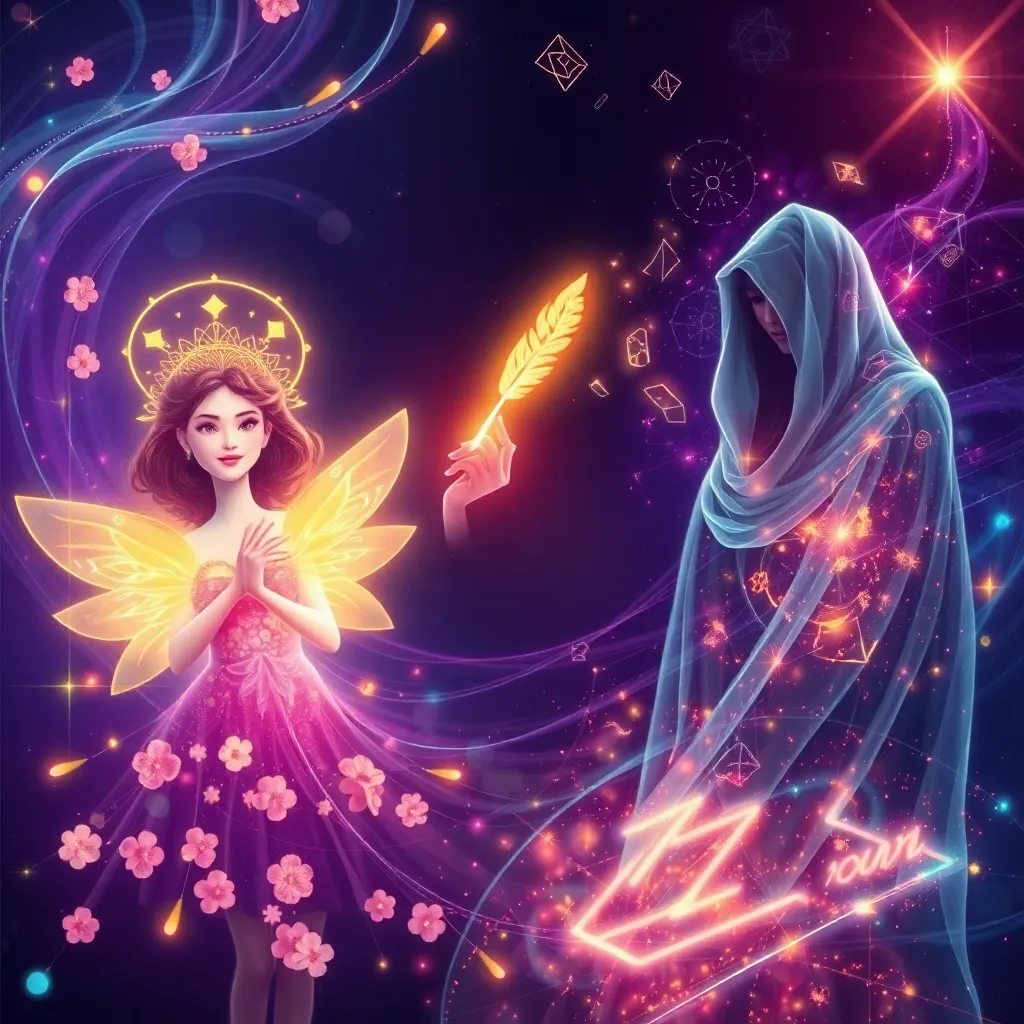
Why We're Drawn to Charming, Witty, and Mysterious Characters in Roleplay
There’s something magnetic about a character who walks into a room and instantly commands attention. Whether it’s the quick-witted rogue who always has a clever comeback, the enigmatic stranger whose past is shrouded in secrecy, or the effortlessly charming hero who wins over allies with a smile—these personalities have a way of sticking with us long after the story ends.
But why? What is it about charm, wit, and mystery that makes them so irresistible in roleplaying contexts—and in storytelling more broadly?
Let’s pull back the curtain.
The Allure of Charm
Charm isn’t just about being likable. It’s a subtle form of social artistry. Charming characters often possess an intuitive understanding of others—they know how to make people feel seen, valued, and at ease. In roleplay, this trait creates immediate rapport and opens doors—both literal and emotional.
Think about it: a charming diplomat can smooth over tensions between rival factions. A charismatic leader inspires loyalty even in dire circumstances. Charm disarms. It builds trust. And in collaborative storytelling, that trust translates into richer, more dynamic interactions.
There’s also an element of wish fulfillment here. Many of us wish we could navigate social situations with that kind of grace and influence. Through a charming character, we get to experience that power—if only for a little while.
The Spark of Wit
Wit is intelligence weaponized with humor and timing. A witty character doesn’t just know what to say—they know how to say it, and when. This makes them incredibly fun to write, perform, or interact with.
Wit serves several purposes in roleplay:
- It breaks tension.
- It reveals intelligence without lecturing.
- It creates memorable, quotable moments.
- It can be used offensively or defensively in verbal sparring.
A sharp-tongued wizard trading barbs with a cynical thief isn’t just entertaining—it’s revealing. Through wit, we learn about their values, their fears, and their relationship dynamics. Wit humanizes even the most larger-than-life characters.
Plus, let’s be honest: it’s just fun to come up with a great line at the perfect moment.
The Pull of Mystery
Mystery might be the most potent trait of the three. A mysterious character is an unfinished puzzle—and we are natural puzzle-solvers. We crave closure, understanding, and revelation.
When a character’s motives are unclear, their past unknown, or their true nature hidden, we lean in. We ask questions. We invest. Mystery creates anticipation and suspense. It makes us want to know more, to dig deeper, to uncover the truth alongside the character—or in spite of them.
In roleplay, mystery:
- Drives plot forward.
- Encourages collaboration as others try to “solve” the character.
- Allows for slow-burn reveals and satisfying payoffs.
- Adds layers of depth and replayability.
A mysterious stranger isn’t just a trope—they’re an invitation. An invitation to wonder, to speculate, and to engage.
Why These Traits Work So Well Together
While each of these traits is compelling on its own, they’re even more powerful in combination. A character who is both charming and mysterious becomes doubly intriguing. Someone who is witty and charming feels both intelligent and approachable.
These traits complement each other like ingredients in a recipe:
- Charm makes mystery feel inviting rather than alienating.
- Wit makes charm feel earned rather than superficial.
- Mystery gives wit and charm a sense of purpose and depth.
Together, they create characters that feel complex, relatable, and endlessly interesting.
The Human Connection
At the end of the day, we’re drawn to these traits because they reflect qualities we admire, aspire to, or find comforting in real life. We want to believe that intelligence can be playful (wit), that connection can be effortless (charm), and that everyone has hidden depths worth discovering (mystery).
In roleplay, we don’t just tell stories—we explore possibilities. We try on new identities, experiment with different ways of engaging with the world, and connect with others through shared narrative. Characters who embody these traits give us permission to be bolder, cleverer, and more intriguing versions of ourselves.
So the next time you find yourself crafting a character—or getting lost in someone else’s—notice what draws you in. Chances are, a little charm, wit, or mystery is working its magic.
And really, who can resist that?