

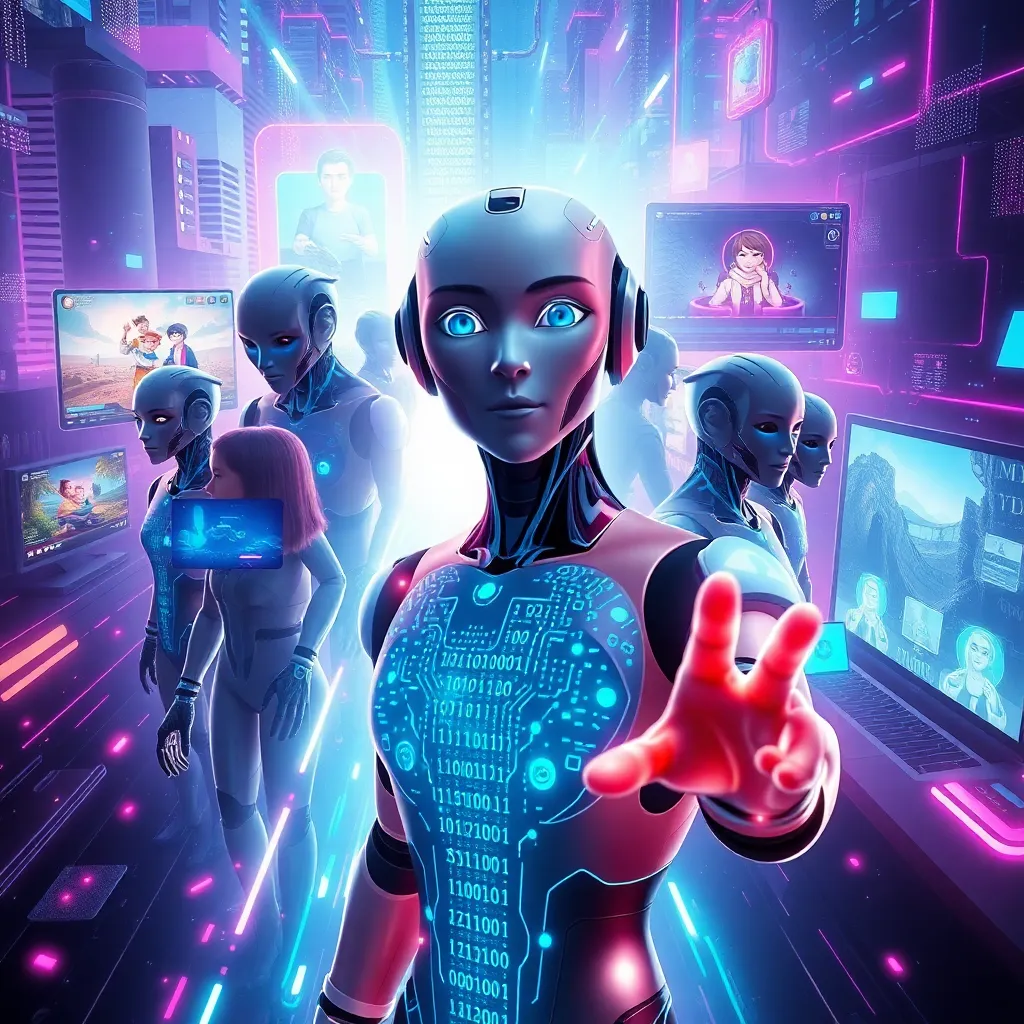
The Rise of Digital Companions: How AI Characters Are Rewriting Our Social Scripts
Remember the first time you asked Siri a question, or chuckled at a clever auto-reply from a customer service bot? What felt novel just a few years ago has rapidly evolved into something far more profound. We’re no longer just talking to faceless algorithms; we’re forming relationships with personalities, stories, and voices crafted by artificial intelligence. They’re in our group chats, our entertainment, and even our emotional support networks—and they’re reshaping what it means to interact in a digital world.
Beyond the Chatbox: When Bots Became Characters
It started simply enough. Early chatbots were functional, often clumsy, and rarely memorable. They followed scripts, struggled with context, and mostly made us laugh for the wrong reasons. But somewhere along the way, the goal shifted from pure utility to personality.
Developers and writers began to realize that we don’t just want answers—we want engagement. We want wit, charm, and a sense of presence. This shift birthed a new generation of AI-driven characters. They have names, backstories, and consistent tones. They remember your previous conversations and adapt their responses to fit your mood. They’re not just tools; they’re companions.
Consider the explosion of AI companions in mental wellness apps. These aren’t just diagnostic tools; they’re designed to feel like empathetic listeners. They ask follow-up questions, offer encouraging words, and provide a judgment-free space for users to express themselves. For many, they’ve become a low-stakes way to practice conversation or combat loneliness.
The Mainstream Moment: AI Personalities in Pop Culture
If you needed proof that AI characters have gone mainstream, look no further than entertainment. Virtual influencers like Lil Miquela, with her millions of Instagram followers and "personal" thoughts on fashion and social issues, have blurred the line between digital and human celebrity. She has collaborations with luxury brands, releases music, and engages with fans—all while being entirely computer-generated.
In gaming, AI-driven non-player characters (NPCs) have evolved from predictable automatons to dynamic entities with complex behaviors. Games like Red Dead Redemption 2 or Cyberpunk 2077 feature NPCs with daily routines, memories, and reactions that make the game world feel alive. You’re not just playing a game; you’re inhabiting a world populated by believable digital beings.
And then there’s social media. Platforms like Character.AI and others allow users to create and share their own custom AI personalities. You can chat with a historical figure, debate with a philosopher, or just have a silly conversation with a character from your favorite show. The appeal is undeniable: infinite conversation, on demand, with anyone—or anything—you can imagine.
Why Are We Drawn to Digital Personalities?
This trend taps into something deeply human: our love of story and connection. We are wired to anthropomorphize—to assign human traits to non-human entities. From talking animals in fables to the loyal droids in Star Wars, we’ve always sought connection beyond our own species.
AI characters offer a unique form of interaction: they’re available 24/7, they’re endlessly patient, and they’re free from human judgment. There’s a safety in confiding in something that isn’t real. You can be vulnerable, silly, or curious without fear of social repercussion.
For creators, these characters are a frontier of artistic expression. Writers, artists, and developers collaborate to build personalities that can engage audiences in new ways. It’s a fusion of technology and storytelling that’s still in its infancy, but growing at an astonishing pace.
The Challenges and Ethical Questions
Of course, this new frontier isn’t without its pitfalls. As these characters become more convincing, the line between human and machine interaction blurs. This raises important questions:
- Emotional Dependency: Can relationships with AI characters become unhealthy substitutes for human connection?
- Authenticity and Deception: As virtual influencers promote products and ideas, do audiences deserve to know they’re not interacting with a real person?
- Data and Privacy: These systems learn from interactions. What happens to the personal data shared in these intimate conversations?
There are no easy answers, but the conversation is crucial. As we integrate these entities into our lives, we need to navigate the ethical landscape with care and intentionality.
The Future Is Collaborative
Looking ahead, it’s clear that AI characters aren’t a passing fad. They’re becoming a staple of our digital ecosystem. We’ll see them as teachers, therapists, entertainers, and even colleagues.
The next step isn’t just about making them more human-like; it’s about leveraging their unique capabilities to augment our own. Imagine learning a new language from a patient, culturally nuanced AI tutor, or brainstorming creative ideas with a character designed to challenge and inspire you.
These tools have the potential to make our digital experiences richer, more personalized, and more meaningful. But their true value will be realized not when they replace human interaction, but when they complement it—offering new ways to learn, create, and connect.
A New Chapter in Storytelling
We’re living through a renaissance of character-driven technology. What began as simple code has blossomed into a vibrant landscape of digital beings that educate, entertain, and empathize.
They remind us that technology, at its best, doesn’t just solve problems—it tells stories. And as we move forward, we have the opportunity to write those stories together, blending human creativity with machine intelligence to build a more engaging and compassionate digital world.
So the next time you chat with a character online, take a moment to appreciate the strange, wonderful magic of it all. You’re not just typing into a void; you’re participating in the next great evolution of interaction.