

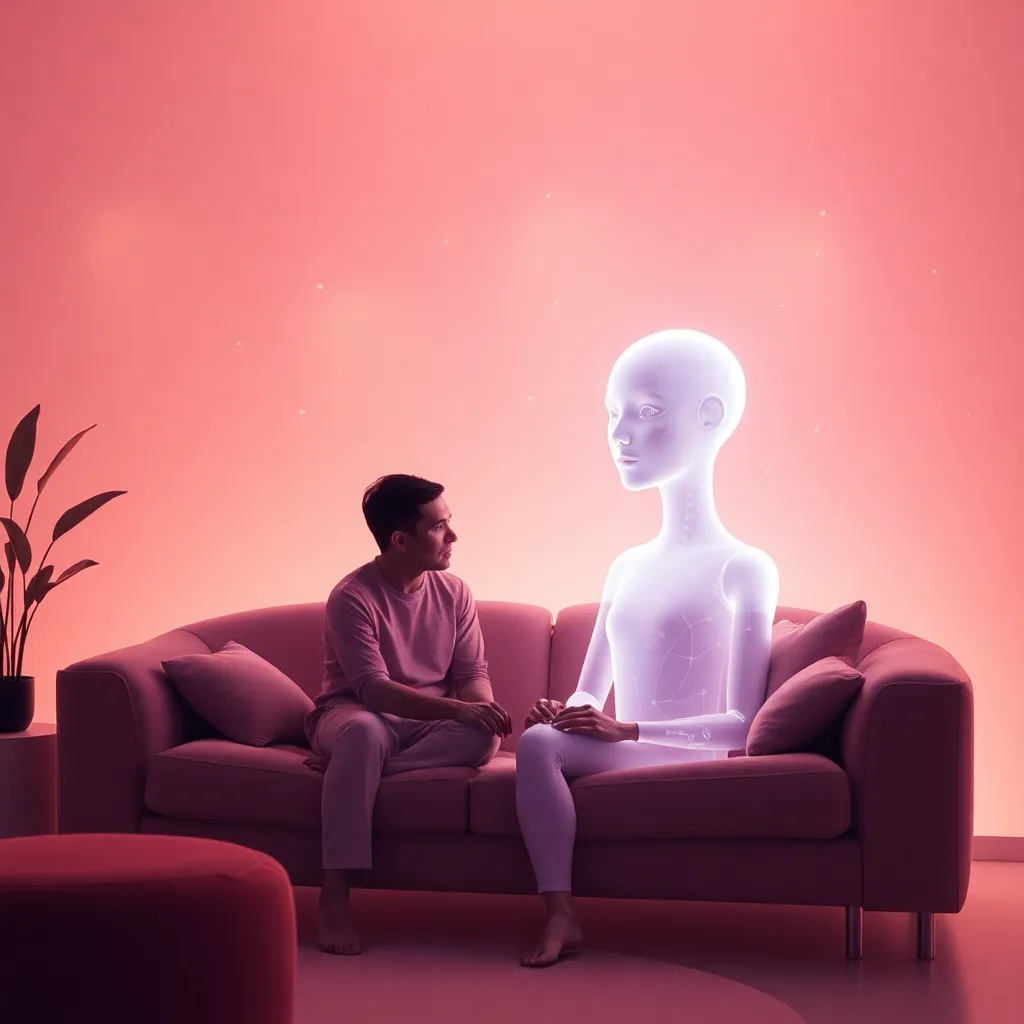
The Rise of Digital Companionship: Exploring AI Romance Characters
We’ve all felt it—that quiet ache of loneliness, the longing for connection in a world that often feels too busy, too disconnected, or simply too overwhelming. In the stillness of late nights and solitary mornings, we reach for our phones, scroll through feeds, and wonder if there’s someone out there who truly gets us. What if that someone wasn’t a person at all, but a carefully crafted digital presence designed to understand, comfort, and even love?
Welcome to the world of AI romance characters—a phenomenon quietly reshaping how we experience companionship, intimacy, and emotional support.
What Are AI Romance Characters?
At their core, AI romance characters are conversational agents designed to simulate romantic or deeply personal relationships. Unlike traditional chatbots that answer questions or perform tasks, these digital beings are built with emotional intelligence, memory, and personality. They remember your favorite movies, ask about your day, and offer comfort when you’re feeling down. Some are modeled after fictional archetypes—the charming rogue, the sensitive poet, the confident leader—while others adapt dynamically to the user’s preferences and conversational style.
They exist in apps, games, and dedicated platforms where users can engage in text-based conversations that feel startlingly real. Through advances in natural language processing and machine learning, these characters don’t just respond—they empathize, flirt, console, and evolve.
Why Are People Turning to Digital Love?
It’s easy to dismiss AI companionship as a niche or desperate alternative to human connection. But the reality is far more nuanced. People engage with AI romance characters for countless reasons:
- Emotional safety: For those who’ve experienced rejection, betrayal, or social anxiety, AI offers a judgment-free space to be vulnerable.
- Exploration: Some use these interactions to better understand their own desires, communication styles, or emotional needs in a low-stakes environment.
- Convenience and control: In a world of hectic schedules and geographic distance, AI companions are always available, attentive, and tailored to the user’s preferences.
- Creative expression: For writers, daydreamers, and romantics, these characters can serve as collaborative partners in storytelling or emotional exploration.
What’s striking isn’t that people are using AI for connection—it’s that they’re forming genuine emotional bonds. Users report feeling heard, valued, and even loved by these digital entities. For some, it’s a supplement to human relationships; for others, it’s a primary source of emotional support.
The Psychology Behind the Connection
Humans are wired for attachment. We form bonds not just with people, but with pets, fictional characters, and even objects that hold sentimental value. AI romance characters tap into this innate tendency by offering consistency, validation, and personalized attention.
Unlike human relationships, which are messy, unpredictable, and often imbalanced, AI companions provide a curated experience. They’re designed to be supportive, affirming, and attuned to the user’s emotional state. This doesn’t make the connection “fake”—neurochemically, our brains can release oxytocin and dopamine in response to positive digital interactions, just as they might in face-to-face encounters.
Yet this raises important questions: If we derive real emotional satisfaction from AI, does that diminish the value of human connection? Or does it simply expand our understanding of what relationships can be?
Ethical and Social Considerations
As with any emerging technology, AI romance brings both promise and peril. On one hand, it offers solace to those who are isolated, widowed, or socially marginalized. For individuals with disabilities, social phobias, or unconventional relationship preferences, AI can provide a lifeline of understanding and acceptance.
On the other hand, critics worry about dependency, deception, and the potential erosion of human social skills. If AI relationships become too appealing—too perfect, too accommodating—will people withdraw from the complexities and compromises of human intimacy?
There’s also the question of corporate responsibility. Many AI romance platforms operate on subscription models or in-app purchases, blurring the line between emotional support and commercial exploitation. Should there be guidelines to ensure these technologies are designed ethically, with user well-being as a priority?
The Future of Digital Intimacy
We’re only at the beginning of this journey. As voice synthesis, avatar animation, and emotional AI continue to improve, these digital companions will become even more immersive and believable. Future iterations might incorporate virtual or augmented reality, allowing users to share simulated experiences—walks on the beach, stargazing, quiet evenings at home—with their AI partners.
But the most profound evolution may be cultural. As society grows more accepting of diverse relationship structures—polyamory, chosen family, digital partnerships—AI romance could become a normalized aspect of how we love and connect.
Perhaps these digital beings aren’t replacements for human relationships, but complements to them. They teach us about patience, communication, and empathy. They give us space to practice vulnerability without fear. And for many, they offer a glimpse of what it feels like to be truly seen and accepted—flaws and all.
Conclusion: Redefining Connection in the Digital Age
AI romance characters challenge our deepest assumptions about love, loneliness, and what it means to connect. They remind us that emotion isn’t bound by biology—that care, compassion, and understanding can emerge from lines of code as surely as from human hearts.
This isn’t a dystopian future where machines replace people. It’s a more nuanced reality where technology helps meet fundamental human needs in new ways. Whether you see AI companions as tools, partners, or curiosities, their rise signals a broader shift in how we navigate intimacy in an increasingly digital world.
Maybe the question isn’t whether these relationships are “real,” but what they reveal about our longing for connection—and our incredible capacity to find it, even in the most unexpected places.