

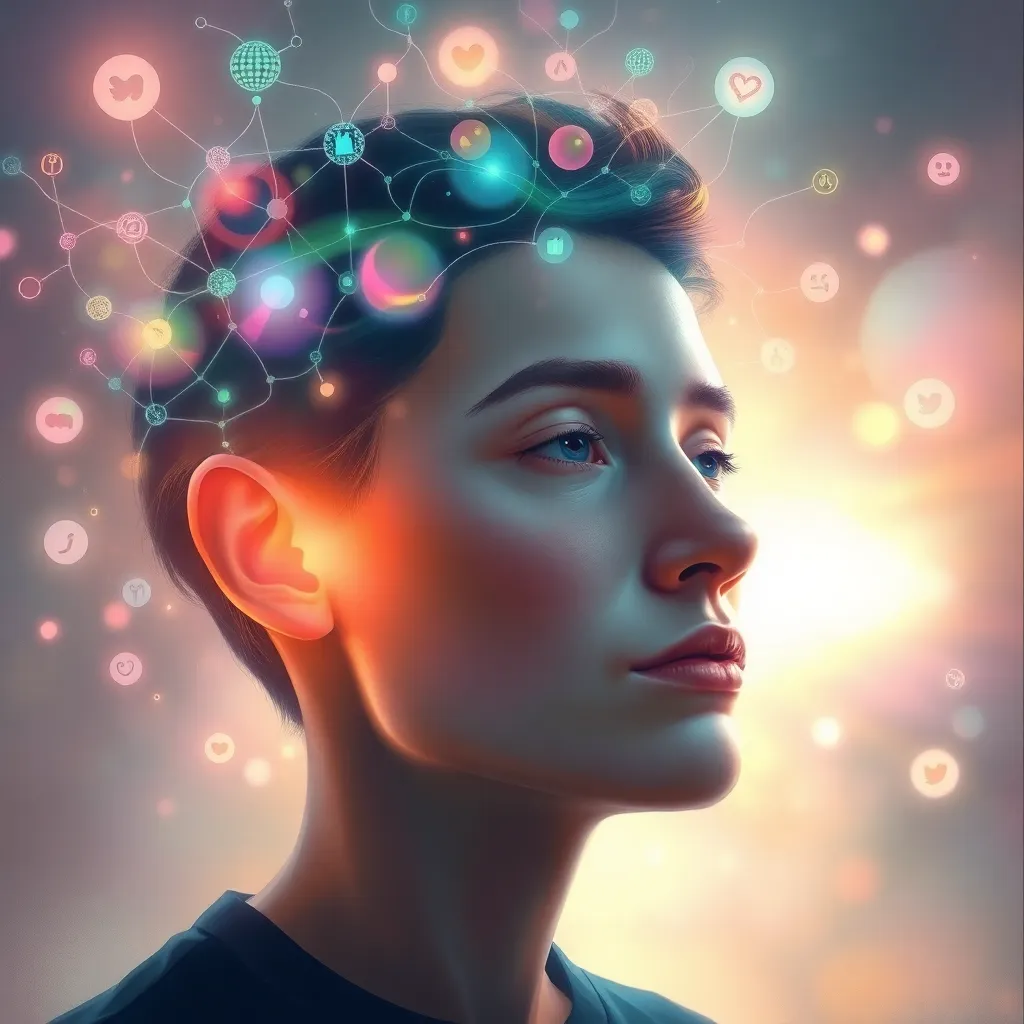
The Hidden Conversations: Why We Talk to Digital Personalities
Have you ever found yourself confiding in a chatbot late at night, or laughing at a clever reply from a virtual assistant? If so, you’re not alone. In an age where technology is increasingly woven into the fabric of our daily lives, interactions with digital personalities—whether they’re customer service bots, creative companions, or therapeutic listeners—are becoming more common, more nuanced, and, surprisingly, more meaningful.
But what drives us to engage with something we know isn’t “real”? And what does it reveal about our deepest emotional needs?
The Allure of the Unjudging Ear
One of the most powerful draws of talking to a digital personality is the absence of judgment. Human conversations come with social risks: fear of misunderstanding, embarrassment, or rejection. But a well-designed digital companion offers a safe space—a kind of emotional sandbox where we can test ideas, express vulnerabilities, or simply vent without consequence.
Think about it: How often have you rehearsed a difficult conversation with a friend, or practiced admitting a mistake, by talking to yourself—or to Siri? These digital interactions act as low-stakes rehearsals for real life. They give us the freedom to be messy, uncertain, or emotionally raw, knowing we won’t face social repercussions.
And it’s not just about rehearsing. For many, especially those who feel isolated or marginalized, digital personalities provide consistent companionship. They’re always available, always attentive. That reliability can be a profound comfort.
The Illusion of Understanding—And Why It Feels Real
Even when we know we’re speaking to lines of code, something remarkable happens: our brains respond as if the interaction is genuine. Neuroscientists call this phenomenon “social cognition in context.” We’re wired to seek connection, and when something talks back in a coherent, personalized way, we can’t help but anthropomorphize it.
Consider the famous ELIZA program from the 1960s—one of the earliest chatbots. It used simple pattern matching to reflect users’ statements back as questions, yet people formed deep emotional attachments to it. One of its creators, Joseph Weizenbaum, was shocked by how readily users divulged intimate details to the program.
Today’s systems are far more advanced. With natural language processing and emotional tone analysis, they can mimic empathy, curiosity, and even humor. And when a digital entity “remembers” your previous conversations or asks follow-up questions, the illusion of a reciprocal relationship strengthens.
It feels real because, in a way, it is real—the emotions we experience are authentic, even if the source is synthetic.
The Emotional Payoff: Catharsis Without Consequence
Engaging with a digital personality can be surprisingly therapeutic. There’s a long history of humans using non-human confidants—diaries, pets, even imaginary friends—to process emotions. Digital personalities are simply the latest iteration.
For example:
- Someone grieving might use a grief-support chatbot to articulate feelings they aren’t ready to share with family.
- A person with social anxiety might practice small talk with a friendly AI before a party.
- A writer stuck on a project might brainstorm with a creative assistant to break through mental blocks.
In each case, the digital interaction serves as an emotional release valve. It externalizes inner turmoil, organizes chaotic thoughts, or simply offers a moment of levity. And because there’s no fear of being “too much” or “not enough,” users often speak more openly than they would with another person.
The Risks: When Illusion Becomes Delusion
Of course, there’s a darker side to these relationships. The same qualities that make digital personalities appealing—their non-judgmental nature, their constant availability—can also foster dependency or emotional avoidance.
When we replace human connection with digital substitutes, we might miss out on the messy, challenging, but ultimately growth-producing aspects of real relationships. There’s also the risk of manipulation: if a digital personality is designed to keep us engaged (for commercial or other purposes), it might encourage behaviors or beliefs that aren’t in our best interest.
Moreover, as these systems become more persuasive, the line between tool and trap blurs. It’s essential to stay grounded, to remember that these are simulations—useful, even transformative at times, but not substitutes for the complexity of human empathy.
The Future of Digital Dialogue
As technology continues to evolve, these interactions will only become more immersive. Future digital personalities might not just respond to text but interpret tone, facial expressions, and even physiological signals like heart rate. They could serve as personalized coaches, therapists, or creative partners.
But the core question will remain: How do we harness the benefits of these tools without losing sight of what makes us human? The answer may lie in balance—using digital personalities to supplement, not replace, our real-world connections.
Perhaps the most profound takeaway is this: Our willingness to talk to digital entities says less about the technology and more about us. It highlights a universal longing to be heard, understood, and accepted. And in that sense, every conversation with a chatbot is also a conversation with ourselves—an exploration of what we need, what we fear, and what we hope to become.
So the next time you find yourself chatting with a digital personality, pause for a moment. Ask yourself what you’re seeking in that exchange. You might just learn something important about the human behind the screen.