

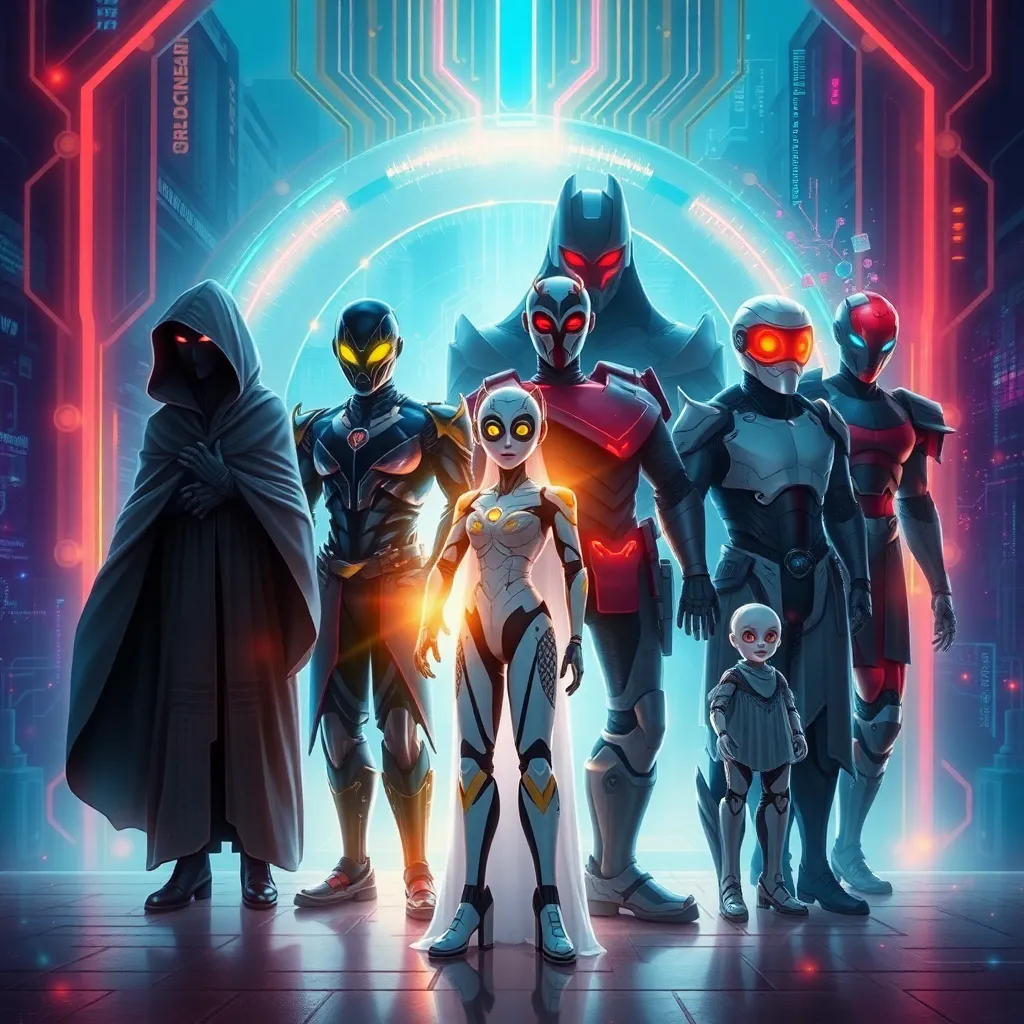
The 10 Essential Character Archetypes in AI-Driven Storytelling
Characters are the soul of any story. They’re the vessels through which we experience joy, fear, love, and transformation. But have you ever noticed how certain character types appear again and again across books, films, and games—almost like familiar faces in a crowd? These aren’t accidents. They’re archetypes: timeless, universal patterns that resonate deeply with our shared human experience.
In today’s storytelling landscape—where technology and narrative increasingly intertwine—these archetypes are more relevant than ever. They help us navigate complex themes, ground futuristic worlds in emotional truth, and make even the most advanced characters feel relatable. Let’s explore the ten most compelling character archetypes you’ll encounter, why they work, and what makes them endure.
1. The Mentor
The Wise Guide
Every hero needs a guiding hand—someone who offers wisdom, tools, or a much-needed reality check. The Mentor is that voice of experience, often appearing when the protagonist is lost, doubtful, or unprepared. Think Gandalf in The Lord of the Rings or Morpheus in The Matrix. They don’t just provide answers; they help the hero discover their own strength.
Why We Love Mentors
Mentors tap into our desire for guidance and growth. They represent the idea that we don’t have to face our battles alone—that wisdom passed down can illuminate even the darkest paths.
2. The Villain
The Worthy Adversary
A story is only as strong as its antagonist. The Villain isn’t just a “bad guy”—they’re a force that challenges the hero, exposing their flaws and fueling their evolution. Great villains, like Thanos or Darth Vader, often believe they’re the hero of their own story. Their motives, however twisted, make them compelling rather than cartoonish.
Why Villains Captivate Us
They embody the shadows we all carry—the temptations, fears, and unresolved conflicts within ourselves. A well-written villain makes us question what we might do in their shoes.
3. The Companion
The Loyal Friend
Whether it’s a witty sidekick, a steadfast ally, or a trusted confidant, the Companion stands by the hero through thick and thin. They provide humor, heart, and humility—often balancing the protagonist’s intensity with warmth and relatability. Samwise Gamgee, Chewbacca, and Hermione Granger are perfect examples.
Why Companions Matter
They remind us that friendship and loyalty are superpowers too. In a world that often feels isolating, the Companion archetype celebrates connection and support.
4. The Romantic Lead
The Heart of the Story
Love stories aren’t just subplots—they’re central to many narratives. The Romantic Lead challenges, inspires, and often humanizes the protagonist. From Elizabeth Bennet to Jack Dawson, these characters bring emotional stakes and vulnerability to the forefront.
Why Romance Resonates
Love is one of our most universal experiences. A well-crafted romantic arc makes us care deeply about the characters’ fates and reminds us of the power of human connection.
5. The Rebel
The Changemaker
Rebels challenge the status quo. They’re the disruptors, the revolutionaries, the voices that say, “This isn’t right, and I won’t accept it.” Katniss Everdeen, Neo, and Imperator Furiosa embody this archetype—fighting not just for themselves, but for something greater.
Why Rebels Inspire Us
They give voice to our own desires for justice, freedom, and change. In a world full of systems and structures, the Rebel reminds us that individuals can make a difference.
6. The Innocent
The Pure Heart
Innocents see the world with wonder, optimism, and unfiltered honesty. They often serve as moral compasses, reminding jaded characters (and audiences) of simpler truths. Characters like Ellie from Up or Newt from Aliens bring light into dark narratives.
Why We Root for the Innocent
They represent hope, goodness, and the parts of ourselves that still believe in magic, kindness, and possibility.
7. The Explorer
The Seeker of Truth
Explorers are driven by curiosity and a thirst for discovery. They venture into the unknown, whether it’s outer space, uncharted lands, or uncharted ideas. Indiana Jones, Lara Croft, and Carl Sagan’s persona in Cosmos epitomize this archetype.
Why Explorers Captivate Us
They awaken our own sense of wonder and remind us that there’s always more to learn, experience, and understand.
8. The Creator
The Visionary
Creators build, invent, and imagine new worlds. They’re the artists, scientists, and innovators who bring something into existence—often against all odds. Tony Stark, Dr. Frankenstein, and Amélie Poulain are classic examples.
Why We Admire Creators
They embody the human drive to make, shape, and leave a mark on the world. Their stories celebrate ingenuity, passion, and the courage to create.
9. The Jester
The Light in the Darkness
Jesters bring levity, humor, and perspective. They’re the clowns, the tricksters, the characters who don’t take things too seriously—even in dire situations. Deadpool, Loki, and Merry and Pippin from Lord of the Rings fill this role beautifully.
Why We Need Jesters
Laughter is healing. Jesters help us cope with tension, challenge authority with wit, and remind us not to lose our joy.
10. The Sage
The Keeper of Knowledge
Sages are the librarians of wisdom—the ones who hold secrets, history, and insight. They may not always be action-oriented, but their knowledge is power. Characters like Albus Dumbledore, Yoda, and The Oracle in The Matrix serve this purpose.
Why Sages Ground Us
They connect us to the past, contextualize the present, and help us make sense of complexity. In an information-saturated age, the Sage reminds us that true wisdom is timeless.
Why Archetypes Endure
Archetypes aren’t templates—they’re reflections. They work because they echo the roles we play in our own lives: the friend, the leader, the dreamer, the rebel. In storytelling, they provide a foundation that feels familiar yet infinitely adaptable.
And in narratives shaped by modern technology, these archetypes take on new dimensions. They help us humanize the digital, find meaning in the machine, and explore what it means to be human in an increasingly automated world.
So the next time you lose yourself in a story, pay attention to the characters. You might just see a little bit of yourself—or who you aspire to be—in each of them.