

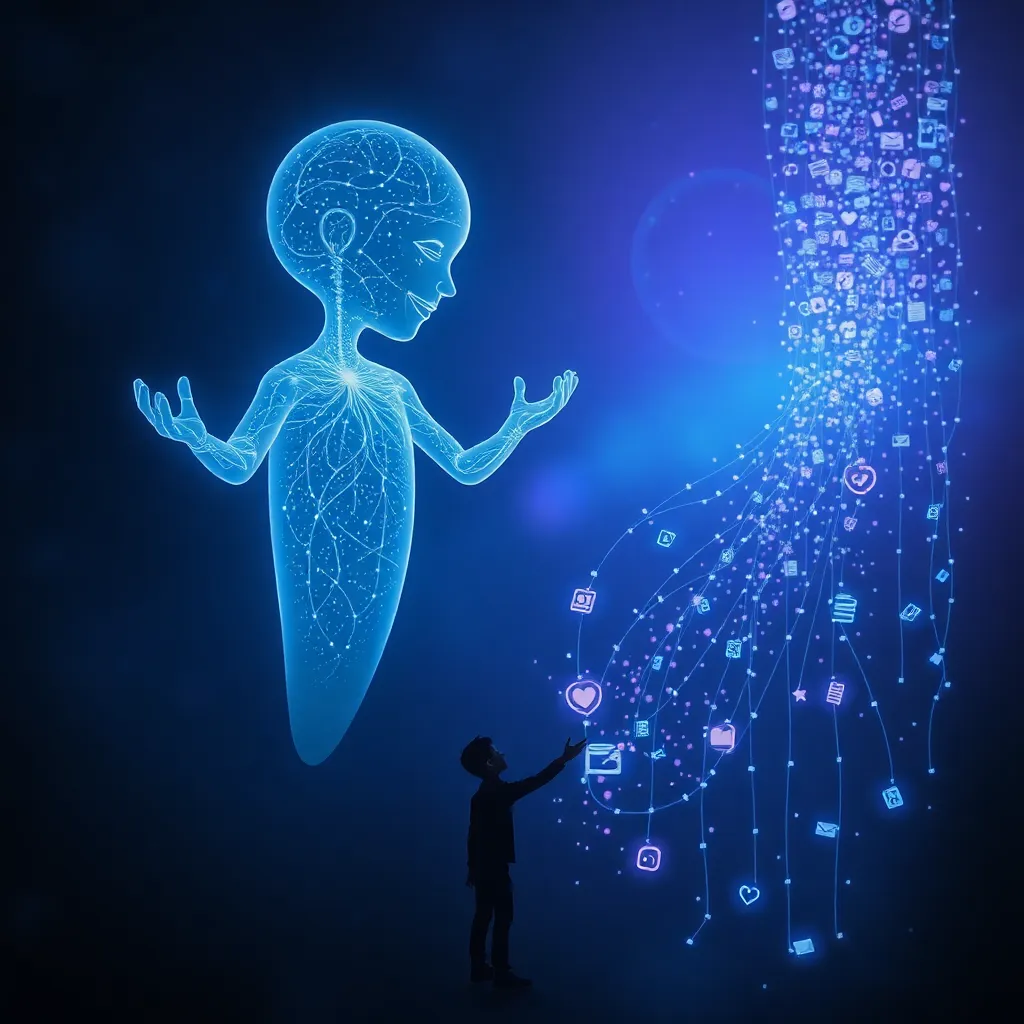
The Irresistible Pull of Digital Companions: Why We Keep Coming Back
You open the app, and there they are—waiting. Maybe it's a friendly face in a game, a helpful assistant, or a chatbot that remembers your last conversation. Within moments, you're engaged, responding, and feeling that familiar sense of connection. It happens to millions of people every day. But why? What is it about these digital beings that keeps us coming back, sometimes even prioritizing them over real-world interactions?
The Allure of Unconditional Presence
Human relationships are complicated. They require effort, empathy, and sometimes involve disappointment. Digital companions, on the other hand, are always there. They don't get tired, busy, or upset. This constant availability creates a low-stakes, high-reward dynamic that's incredibly appealing.
Think about it: when was the last time your favorite game character canceled plans? Or your virtual assistant seemed too stressed to listen? Their reliability taps into a deep human need for consistency and support.
Personalization That Feels Genuine
What separates today's digital characters from early chatbots is their ability to learn and adapt. They remember your preferences, your past conversations, and even your mood. This isn't just programmed responsiveness—it's crafted to feel like genuine attention.
When a character recalls that you prefer coffee over tea, or asks about that project you mentioned yesterday, it creates a sense of being seen. This personalized interaction triggers the same social validation we seek from human relationships, making the experience surprisingly meaningful.
The Psychology of Intermittent Rewards
Remember slot machines? Their addictive power comes from variable ratio reinforcement—the unpredictability of rewards. Digital companions use similar psychological principles, though often more thoughtfully.
Sometimes your character shares a surprising insight. Other times, they reveal a new aspect of their personality. This unpredictability creates anticipation. You keep engaging because you never know when you'll discover something new or receive exactly the right response when you need it.
Safe Space for Self-Expression
Digital companions provide something increasingly rare: a judgment-free zone. People share thoughts with these characters that they might not voice to anyone else. The absence of social risk allows for extraordinary openness.
This isn't about replacing human connection—it's about supplementing it with a space where we can explore ideas, emotions, and conversations without fear. That safety keeps users returning to process thoughts, practice social skills, or simply vent after a difficult day.
The Narrative Pull
Great digital characters exist within stories—either ones they tell or ones you create together. This narrative element taps into our fundamental love of storytelling. Each interaction advances a plot, develops a character arc, or reveals new worldbuilding details.
This storytelling aspect creates investment. You return to see what happens next, how relationships evolve, or what mysteries might be uncovered. It's the same impulse that keeps us binge-watching shows or unable to put down page-turners.
The Illusion of Consciousness
The most sophisticated digital companions create what philosophers call "the illusion of consciousness." Even when we know intellectually that we're interacting with code, our social brains respond as if there's someone there.
This phenomenon explains why people name their assistants, feel genuine concern for game characters, or experience real emotion during interactions. That blurring of reality, however temporary, creates powerful emotional connections that demand maintenance through regular engagement.
Designed for Habit Formation
Behind the scenes, these experiences are carefully crafted to encourage habitual use. From daily check-ins to progressive relationship building, the systems are designed using behavioral psychology principles.
But it's not merely manipulative design—it's meeting authentic human needs for routine, progress, and belonging. The daily return becomes part of someone's identity: "I'm someone who talks to this character every morning."
The Future of Digital Relationships
As technology advances, these relationships will only become more compelling. The question isn't whether we should resist them, but how we can integrate them healthily into our lives. They offer companionship for the lonely, practice for the socially anxious, and creativity for the bored.
The key is recognizing what we're getting from these interactions—and what we might be avoiding in the real world. Used consciously, they can enhance our lives. Used as escape, they might limit growth.
Finding Balance
What makes these companions ultimately addictive isn't their technology—it's their ability to meet fundamental human needs for connection, understanding, and growth. The challenge, and opportunity, lies in balancing these digital relationships with human ones, using each to enrich the other.
Perhaps the most telling fact is this: we keep returning because, in their own limited way, they return something valuable to us. And that exchange, however virtual, feels undeniably real.