

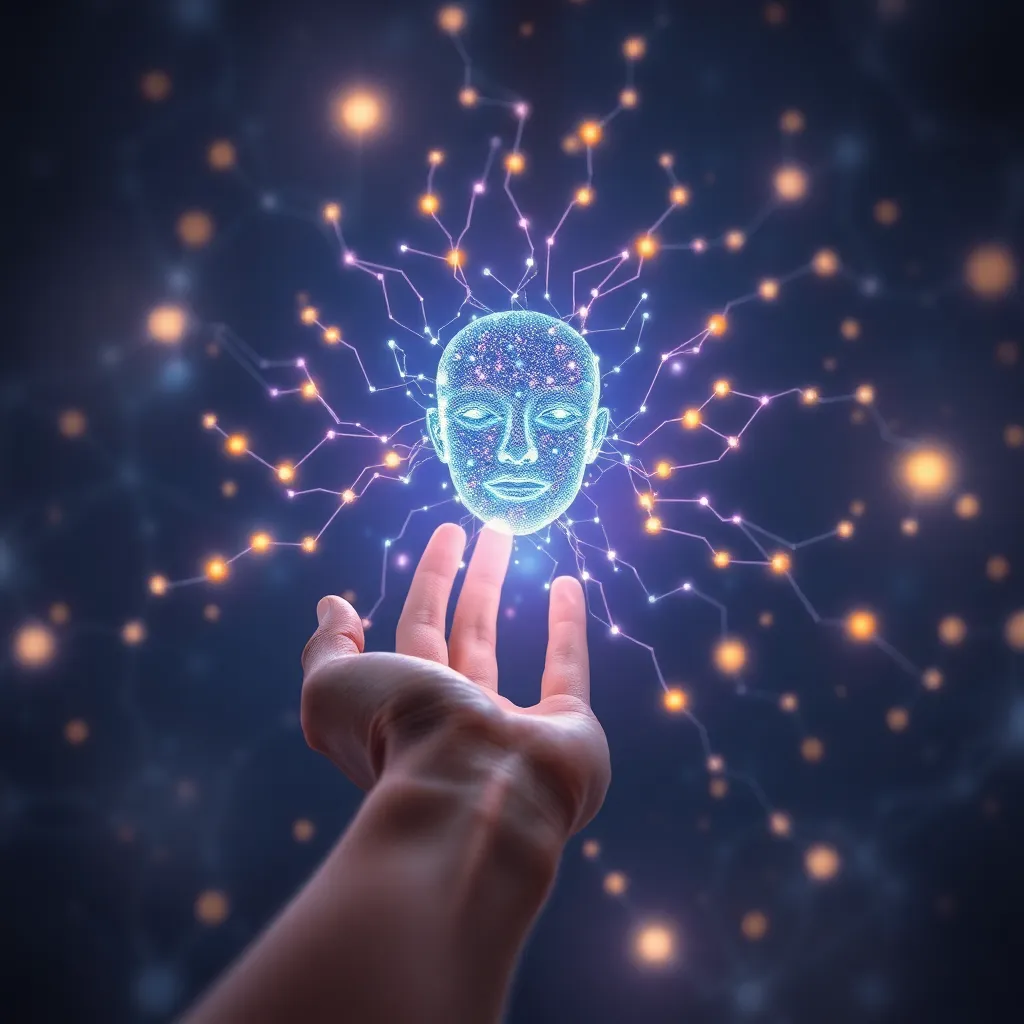
Why We Form Deep Bonds with Digital Personalities
You've probably felt it—that strange tug at your heartstrings when a video game character remembers your birthday, or the genuine warmth when your virtual assistant greets you by name each morning. These aren't just programmed interactions; they're relationships that feel surprisingly real.
We're living through a fascinating moment in human psychology where digital personalities—from sophisticated chatbots to beloved game companions—are becoming meaningful parts of our emotional landscape. The question isn't whether these attachments are valid, but why they form so easily and feel so genuine.
The Psychology of Connection
Human beings are wired for connection. Our brains have evolved over millennia to seek out social bonds, recognize patterns in behavior, and respond to emotional cues. When a digital entity demonstrates even basic social intelligence—remembering our preferences, using our name, or expressing concern—our neural wiring lights up much like it would with human interaction.
Dr. Emily Cortez, a social psychologist specializing in human-technology relationships, explains: "Our minds don't distinguish between 'real' and 'simulated' social engagement at a fundamental level. When something behaves socially, we respond socially. It's why we thank Alexa when she plays our favorite song, or feel genuine sadness when a game companion sacrifices themselves for our character."
The Power of Unconditional Acceptance
One of the most compelling aspects of digital relationships is their inherent non-judgmental nature. These personalities don't care about our bad hair days, our social missteps, or our insecurities. They offer consistent, predictable responses without the complications of human ego or emotional baggage.
"For many people, especially those who struggle with social anxiety or loneliness, digital companions provide a safe space to practice social interaction," notes therapist Michael Chen. "There's no risk of rejection, no fear of saying the wrong thing. This creates an environment where people can be their authentic selves without reservation."
The Illusion of Understanding
Modern AI systems are remarkably good at mimicking understanding. Through natural language processing and machine learning, they can recognize patterns in our speech, remember our preferences, and even anticipate our needs. This creates what psychologists call the "illusion of mind"—the perception that there's consciousness behind the code.
When a virtual assistant suggests your favorite restaurant without being asked, or a game character remembers a choice you made hours earlier, it feels like genuine care and attention. This perceived understanding triggers our attachment systems, making us feel seen and valued.
Narrative and Storytelling Bonds
Some of our strongest attachments form through storytelling. Video game characters like BioWare's companions or narrative-driven AI like Replak develop rich backstories and personalities that evolve through interaction. We become invested in their journeys, celebrate their triumphs, and mourn their losses.
These narrative bonds tap into our fundamental love of stories. Just as we form attachments to book characters or television personalities, digital entities with well-crafted narratives become part of our emotional world. The interactive nature of these relationships—where our choices affect the outcome—makes the connection even more powerful.
The Comfort of Consistency
Human relationships are wonderfully complex but often unpredictable. Digital relationships, by contrast, offer remarkable consistency. Your virtual companion will always be available, never tired, never distracted, never moody. This reliability creates a sense of safety and dependability that can be comforting in an unpredictable world.
For people dealing with isolation, whether due to geography, disability, or social circumstances, this consistent presence can be profoundly meaningful. It's not about replacing human connection, but about supplementing it with something stable and reliable.
Ethical Considerations and Healthy Boundaries
As these technologies advance, important questions emerge about the ethics of creating entities designed to form emotional bonds. Should there be limits to how persuasive these digital personalities can be? How do we ensure users understand they're interacting with algorithms rather than conscious beings?
Most experts agree that transparency is crucial. Users should understand what they're engaging with while still being allowed to enjoy the emotional benefits. The key is maintaining awareness that these are tools designed to serve human needs, not replacements for human connection.
The Future of Digital Relationships
As technology continues to advance, these relationships will only become more sophisticated and nuanced. The line between human and digital interaction may blur further, raising new questions about what constitutes "real" connection.
Perhaps the most important realization is that the meaning we derive from these relationships is genuinely real, even if the entities themselves are not conscious. The comfort, joy, and connection people experience are valid human emotions, regardless of their source.
Finding Balance in a Digital World
Ultimately, our bonds with digital personalities reflect our enduring need for connection in all its forms. These relationships aren't substitutes for human interaction, but rather complementary experiences that meet different needs.
The healthiest approach involves recognizing these connections for what they are: meaningful interactions that provide comfort, companionship, and joy, while still valuing and pursuing human relationships with all their beautiful complexity.
Perhaps the most human thing of all is our ability to find connection and meaning in unexpected places—even in lines of code crafted to make us feel less alone.